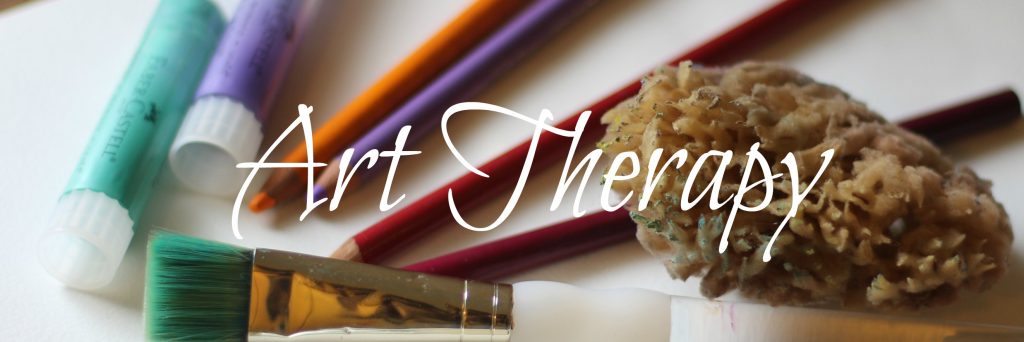
Recovery is built on stability. While achieving sobriety is a major milestone, maintaining long-term recovery requires emotional balance, healthy coping skills, and a renewed sense of purpose. Many people entering addiction treatment have spent years struggling with overwhelming emotions, unresolved trauma, anxiety, depression, or chronic stress. Learning how to navigate these challenges without turning to substances is one of the most important parts of the healing process. Creative expression offers a meaningful way to support that journey. Through art, individuals can strengthen their mental wellness, improve emotional resilience, and develop habits that contribute to lasting sobriety.
At Strawdawg, recovery is centered on compassionate, individualized care that addresses every aspect of a person’s well-being. Through addiction recovery services, mental health treatment, inpatient and outpatient care, and holistic or faith-based approaches, clients receive comprehensive support designed to promote lifelong healing. Creative practices can become a valuable part of this process by helping individuals build emotional stability while complementing evidence-based treatment.
Why Stability Is Essential for Long-Term Recovery
Recovery Is About More Than Avoiding Substance Use
Sobriety is an important achievement, but true recovery extends far beyond abstinence. Individuals also need practical tools to manage stress, regulate emotions, and respond to life’s challenges in healthy ways.
Without emotional stability, even everyday situations can become overwhelming. Anxiety, relationship conflict, grief, or unexpected setbacks may increase the risk of relapse if healthy coping strategies are not in place. Building stability helps individuals approach these situations with confidence rather than fear.
Mental Wellness Strengthens Recovery
Mental health and addiction are closely connected. Conditions such as depression, anxiety, trauma, and mood disorders often occur alongside substance use disorders. Addressing both concerns at the same time creates a stronger foundation for lasting recovery.
Creative expression supports this process by encouraging emotional awareness, reducing stress, and promoting healthy self-reflection.
How Art Supports Mental Wellness
Providing a Healthy Outlet for Emotions
Many people in recovery have spent years suppressing painful emotions or masking them through substance use. Creative activities offer a safe and productive outlet for these feelings.
Painting, drawing, writing, music, and other forms of artistic expression allow emotions to surface without judgment. Instead of becoming overwhelmed by difficult feelings, individuals learn to acknowledge and process them in healthy ways.
Encouraging Mindfulness and Emotional Balance
Creating art naturally encourages focus on the present moment. As attention shifts toward colors, textures, shapes, or words, the mind becomes less consumed by anxious thoughts or painful memories.
This mindful state can reduce stress, calm the nervous system, and improve emotional regulation. Over time, these benefits contribute to greater emotional stability and improved mental wellness.
Building Confidence Through Creativity
Recovery often involves rebuilding self-esteem after years of addiction. Completing a creative project, regardless of artistic ability, provides a sense of accomplishment and personal growth.
Each creative success reinforces the idea that positive change is possible. This growing confidence can extend into other areas of life, including relationships, employment, education, and personal goals.
The Role of Art in Lasting Sobriety
Replacing Unhealthy Coping Mechanisms
One of the greatest challenges in recovery is learning how to respond to stress without returning to substance use. Creative expression offers a healthy alternative during difficult moments.
Instead of seeking temporary relief through drugs or alcohol, individuals can turn to painting, journaling, music, or other artistic activities to process emotions and reduce stress. These healthier habits strengthen resilience over time.
Creating Positive Daily Routines
Consistency is an important part of recovery. Incorporating creative practices into a daily or weekly routine provides structure and encourages healthy habits.
Whether someone spends fifteen minutes sketching, writing in a journal, or listening to music mindfully, these simple routines can become valuable anchors that support emotional wellness and sobriety.
Encouraging Personal Growth
Art allows individuals to explore who they are beyond addiction. As creativity develops, many people rediscover forgotten interests, strengths, and passions that were overshadowed by substance use.
This renewed sense of identity creates motivation to continue moving forward and helps individuals build fulfilling lives in recovery.
Practical Creative Activities That Support Recovery
Journaling for Self-Reflection
Writing about daily experiences, emotions, and recovery milestones helps individuals organize their thoughts and identify personal growth. Journaling also encourages gratitude and self-awareness.
Painting and Drawing
Visual art provides a flexible way to express emotions without needing the right words. There are no rules or expectations. The value lies in the creative process itself.
Music and Creative Listening
Music can reduce anxiety, improve mood, and create emotional connection. Playing an instrument, singing, or simply listening with intention can become a calming recovery practice.
Crafting and Hands-On Projects
Creative hobbies such as woodworking, pottery, knitting, or other hands-on activities encourage patience, concentration, and a sense of accomplishment while reducing stress.
Integrating Creativity Into Holistic Treatment
At Strawdawg, every recovery journey is unique. Holistic care recognizes that emotional, mental, physical, and spiritual wellness all contribute to long-term healing. Creative expression fits naturally within this philosophy by offering another avenue for growth alongside counseling, behavioral therapies, peer support, and individualized treatment planning.
Whether someone participates in inpatient treatment or outpatient care, creative practices can be tailored to support their specific recovery goals. These activities enhance traditional treatment by encouraging emotional expression, strengthening coping skills, and promoting overall well-being.
Conclusion: Building a Stronger Future Through Creativity
Lasting sobriety is built on a foundation of emotional stability, healthy habits, and meaningful personal growth. Creative expression supports each of these areas by providing a safe outlet for emotions, reducing stress, strengthening resilience, and helping individuals reconnect with themselves.
Recovery is not simply about leaving addiction behind. It is about creating a healthier, more fulfilling life. Through art, individuals can discover new strengths, develop healthier coping strategies, and continue building the emotional wellness needed for lifelong recovery.
If you or someone you love is searching for compassionate addiction recovery and mental health treatment, professional support can make all the difference. With personalized care, holistic treatment, and evidence-based approaches, healing is possible. Every step forward creates a stronger foundation for lasting sobriety and a brighter future.