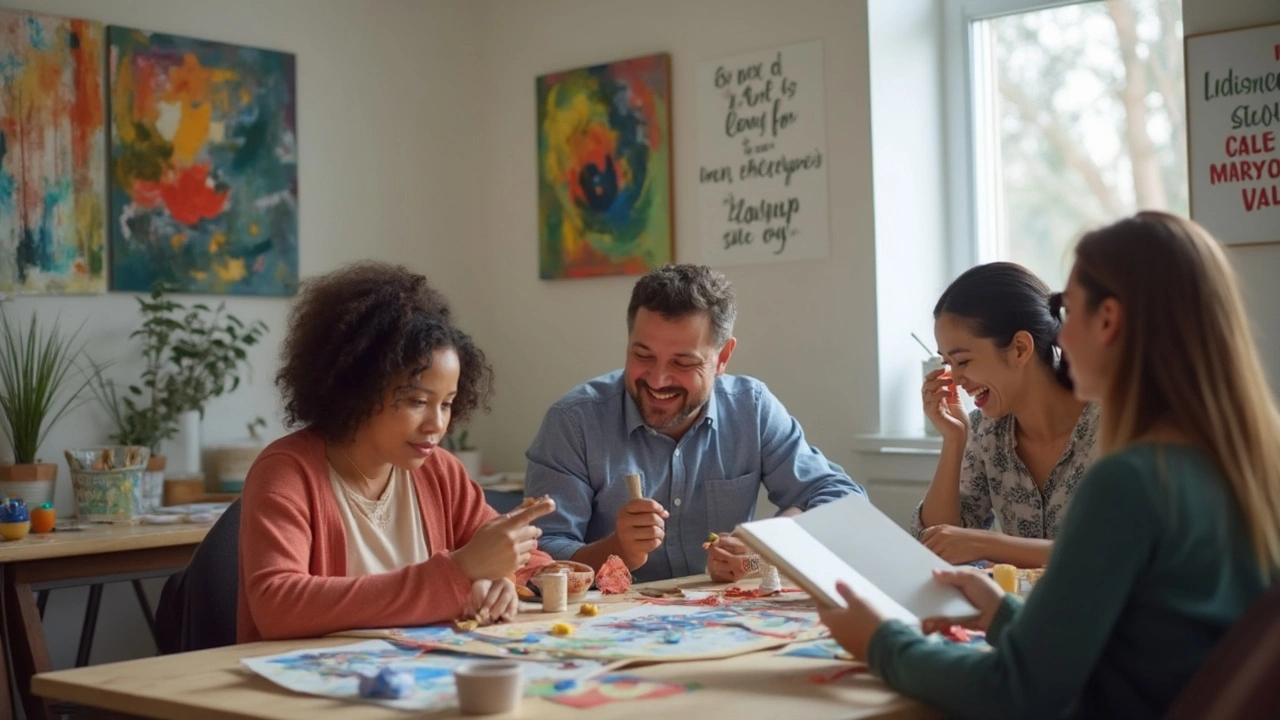
Addiction can make people feel disconnected from themselves. Over time, substance use may affect relationships, confidence, emotional health, and even a person’s sense of identity. Recovery creates an opportunity to rebuild those parts of life, but healing does not always happen through conversation alone. For some people, art in addiction recovery provides another way to express emotions, understand personal experiences, and reconnect with a sense of purpose. Painting, drawing, photography, writing, music, and other creative activities can become meaningful tools for people who are learning how to live beyond addiction.
Art is not a replacement for professional addiction treatment or mental health care. Instead, it can complement individualized treatment by giving people another healthy way to process difficult emotions and develop positive coping skills.
Why Finding Your Voice Matters in Addiction Recovery
Addiction often changes the way a person sees themselves. Someone who once felt confident and connected may begin to define their identity through substance use, mistakes, conflict, or shame.
Recovery offers a chance to create a different story.
Finding your voice means learning to recognize what you feel, what you value, what you need, and what kind of future you want. For some people, that process begins with a conversation. For others, it may begin with a blank canvas or a piece of paper.
Creative expression can make personal experiences visible in ways that ordinary conversation sometimes cannot.
Art Can Help Express Difficult Emotions
People in recovery may experience grief, anger, fear, guilt, loneliness, or uncertainty. These emotions can be difficult to explain, particularly during the early stages of treatment.
Creating something gives those feelings a place to go.
A person might use colors to represent different emotions, draw an image that reflects a difficult memory, or create a collage that represents hopes for the future. The goal is not to produce technically impressive artwork. The value comes from the process of expression and reflection.
How Art Supports Addiction Recovery
Creative activities can support several important areas of recovery when they are incorporated appropriately into a broader treatment plan.
1. Art Encourages Self Awareness
Long term recovery requires more than avoiding substances. It also involves understanding the thoughts, emotions, situations, and behaviors that can contribute to unhealthy choices.
Art can encourage self reflection.
For example, someone might create a series of drawings showing how they felt during active addiction, early recovery, and their current stage of healing. Looking at those images can help them recognize changes that may be difficult to describe verbally.
That increased awareness can become useful material for counseling and other forms of treatment.
2. Creativity Provides a Healthy Coping Strategy
Recovery involves learning healthier ways to respond to stress. Without those skills, difficult emotions can become powerful triggers.
Creative activities can provide a constructive alternative.
When someone feels overwhelmed, they might spend time drawing, painting, journaling, playing music, taking photographs, or working on another creative project. These activities do not eliminate the underlying problem, but they can create space to pause, reflect, and choose a healthier response.
Over time, having several healthy coping strategies can make recovery more sustainable.
3. Art Can Help Rebuild Confidence
Addiction can leave people questioning their abilities and worth. Creative work offers opportunities to practice patience, make decisions, solve problems, and see something through from beginning to end.
Finishing a drawing or creating a piece of artwork may seem like a small accomplishment. However, small accomplishments matter during recovery.
They can reinforce an important message: progress is possible.
That sense of achievement can encourage people to take on other healthy challenges, whether that means repairing relationships, returning to work, developing new routines, or pursuing personal goals.
Using Creativity to Rebuild Your Identity
One of the most important parts of recovery is discovering who you are beyond addiction.
Create a Recovery Vision Board
A recovery vision board can combine photographs, words, drawings, quotes, and other images that represent the life a person wants to build.
It might include goals related to:
- Family relationships
- Physical and mental wellness
- Education or career
- Spiritual growth
- Healthy friendships
- Hobbies
- Financial stability
- Personal independence
- Service to others
The vision board can serve as a visual reminder that recovery is about more than leaving substances behind. It is also about building a meaningful life to move toward.
Keep a Creative Recovery Journal
Traditional journaling is useful, but recovery journaling does not have to involve pages of carefully written paragraphs.
Someone can combine writing with sketches, photographs, colors, song lyrics they have written themselves, inspirational phrases, or simple symbols.
A person might answer questions such as:
What am I feeling today?
What helped me cope with stress?
What am I proud of this week?
What do I want my life to look like one year from now?
These reflections can help identify emotional patterns and celebrate progress.
Art and Mental Health Treatment
Addiction frequently occurs alongside mental health concerns such as anxiety, depression, trauma related symptoms, or chronic stress. Addressing both substance use and mental health is therefore an important part of comprehensive recovery.
Creative expression can complement mental health treatment by giving individuals another method of exploring emotions and personal experiences.
Professional counseling remains essential when someone is dealing with significant emotional distress, trauma, or a co occurring mental health condition. Art can become one component of a broader treatment plan rather than being treated as a cure on its own.
This distinction matters. Effective recovery should address the individual as a whole and consider their physical, emotional, social, and spiritual needs.
Making Art Part of Everyday Recovery
You do not need expensive supplies or advanced artistic skills to benefit from creativity.
Try starting with simple activities:
Draw Without Judging the Result
Set aside 10 or 15 minutes and draw whatever comes to mind. Do not worry about whether it looks good. Focus instead on what you notice while creating.
Paint Your Current Emotions
Choose colors that represent how you feel. Let the process be about expression rather than creating something perfect.
Photograph Moments of Progress
Use photography to capture ordinary moments that represent a healthier lifestyle, such as a walk outside, time with family, a favorite place, or a new hobby.
Write About Your Future
Create a short description of the person you want to become. Focus on values, relationships, habits, and goals rather than simply focusing on what you want to stop doing.
The important thing is consistency. Creativity becomes more useful when it becomes part of a healthy routine rather than something reserved for moments of crisis.
Combining Art With Individualized Recovery Care
Every person’s recovery story is different. Some people respond well to structured treatment, while others benefit from a combination of counseling, peer support, creative activities, spiritual practices, and other holistic approaches.
That is why individualized care matters.
Depending on a person’s needs, recovery may involve inpatient treatment, outpatient care, mental health services, counseling, family involvement, faith based support, or other evidence informed approaches. Creative expression can fit into that process by providing another healthy avenue for reflection and personal growth.
For individuals who find it difficult to express themselves verbally, having another form of communication can be especially meaningful.
Your Story Does Not End With Addiction
Recovery is not about pretending the past never happened. It is about learning from the past while creating a healthier future.
Art can help make that process tangible. A blank page can become a journal entry. A canvas can become an expression of pain or hope. A photograph can capture a moment of progress. A creative project can remind someone that they are capable of building, changing, and growing.
Most importantly, finding your voice through art can help shift the focus from what addiction took away to what recovery can help you build.
If addiction or mental health challenges are affecting your life, you do not have to figure everything out alone. Professional treatment can provide structure, guidance, and individualized support while healthy creative practices become part of your recovery routine. Reaching out for help can be the first step toward reconnecting with yourself, expressing what you have been carrying, and creating a future that reflects who you want to become.