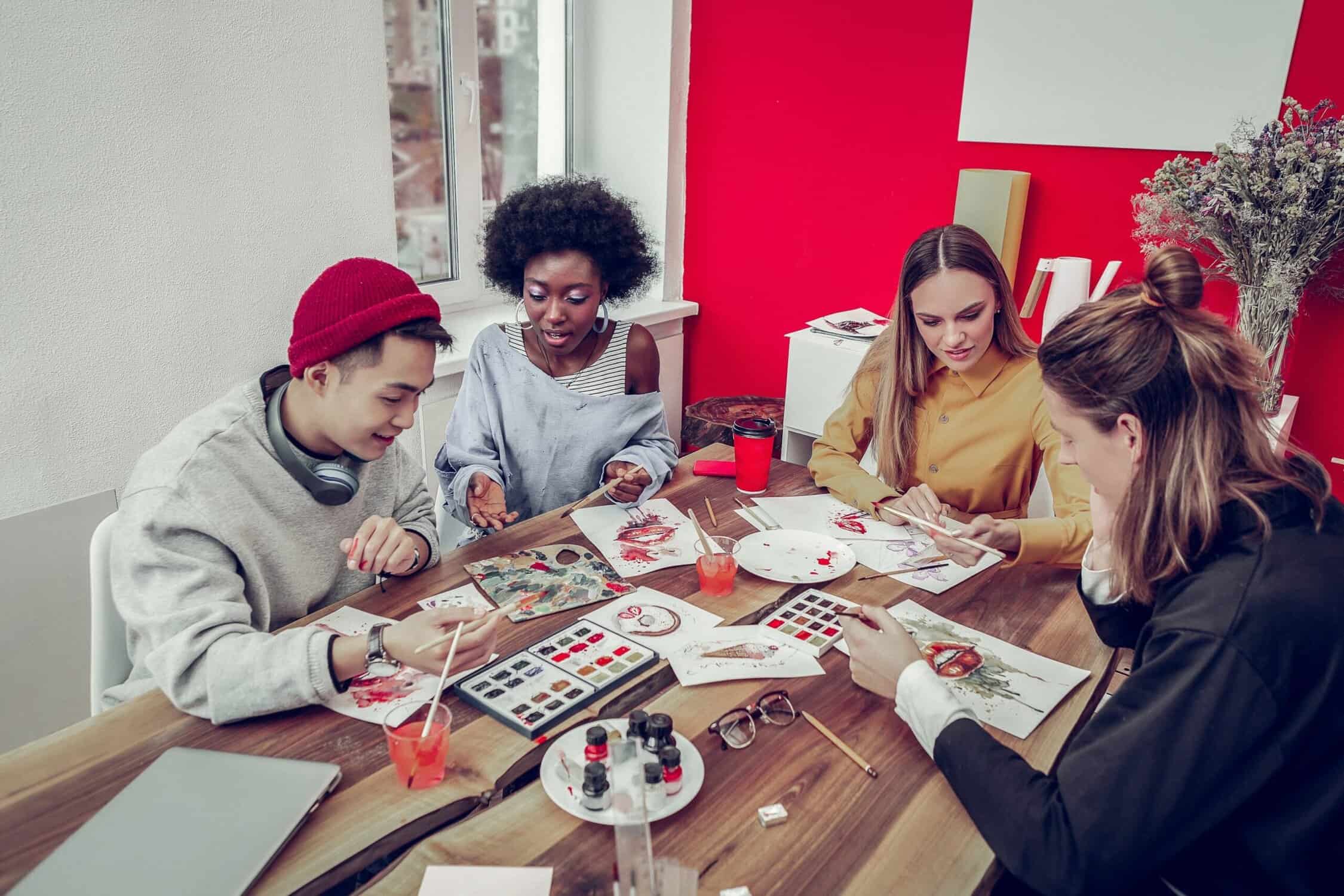
Stress can make addiction recovery feel harder, especially when difficult emotions, relationship problems, or everyday responsibilities begin to pile up. For people rebuilding their lives after substance use, finding healthy ways to manage these pressures is an important part of maintaining progress. Creative activities can offer a practical way to cope with stress in recovery, express difficult emotions, and develop routines that support long-term sobriety. Although art cannot guarantee relapse prevention, it can become a valuable part of a personalized recovery plan alongside professional treatment, counseling, and ongoing support.
You do not need to be a skilled artist to benefit from creativity. Painting, drawing, journaling, photography, music, and simple crafts can all provide opportunities to slow down and focus on something constructive. More importantly, these activities can help you discover interests and coping skills that make life in recovery feel more manageable and rewarding.
How Stress Can Affect Addiction Recovery
Stress is a normal part of life, but it can become especially challenging during recovery. People may face financial concerns, family conflict, loneliness, work pressures, or uncertainty about the future. At the same time, they may be learning how to manage emotions without relying on substances.
When stress builds, familiar patterns can become tempting. Someone who previously used alcohol or drugs to escape uncomfortable feelings may experience cravings during difficult moments. This does not mean recovery has failed. Instead, it highlights the importance of recognizing triggers and developing healthier responses.
Recognizing Personal Triggers
A trigger is an experience, emotion, person, or situation that increases the urge to use substances. Triggers differ from person to person. For example, one individual may struggle with loneliness, while another may find that workplace pressure or unresolved grief increases cravings.
Creative activities can help people notice these patterns. Keeping an art journal, for instance, allows you to record your mood, identify stressful situations, and reflect on how you respond to them.
Over time, these observations may reveal recurring patterns worth discussing with a counselor. Recognizing a trigger is an important step toward responding to it with greater awareness.
Building Healthier Responses to Difficult Emotions
Recovery often involves learning to tolerate uncomfortable feelings rather than immediately trying to escape them. Art can provide a constructive outlet for emotions such as frustration, sadness, anxiety, and anger.
Instead of keeping everything inside, you might sketch how you feel, write a few paragraphs about a difficult day, or choose music that helps you process your emotions. These activities do not need to produce a finished project. Their value lies in giving you space to pause, reflect, and choose what to do next.
How Creative Activities Can Support Relapse Prevention
Relapse prevention involves identifying risks, preparing for challenging situations, and developing strategies for responding to cravings. Creative expression can support these efforts by introducing healthy activities into daily life.
However, art should be viewed as one part of a broader plan. Professional treatment, peer support, medical guidance when needed, and practical coping strategies remain important components of recovery.
1. Art Provides a Healthy Outlet for Stress
Drawing, painting, and crafting give your attention a specific task. Focusing on shapes, colors, textures, or simple movements may help interrupt repetitive thoughts and create a short break from everyday pressures.
For example, after a stressful conversation, you could spend ten minutes sketching or working with clay. The goal is not to eliminate the problem. Instead, the activity gives you time to settle your thoughts before deciding how to respond.
If stress or cravings remain intense, reach out to a trusted support person or treatment professional rather than relying on a creative activity alone.
2. Creative Routines Add Structure to the Day
Establishing a healthy routine can make recovery feel more predictable. Creative hobbies offer a way to organize free time, develop interests, and create achievable goals.
You might set aside time to write each morning, practice an instrument in the evening, or attend a weekly art class. These activities can help replace unhelpful routines with experiences that support personal growth.
Consistency matters more than the amount of time you spend creating. Even a few minutes each day can provide an opportunity to practice patience and follow through on a positive commitment.
3. Art Can Help Rebuild Confidence
Addiction may affect self-esteem and leave people feeling defined by past mistakes. During recovery, it is important to recognize that personal growth remains possible.
Creative projects offer small opportunities to experience progress. Completing a painting, learning a new technique, or filling a journal with reflections can provide a sense of accomplishment.
You do not need to create something impressive. In fact, allowing yourself to experiment without worrying about perfection can be part of the process. Each completed activity is a reminder that you can learn, make choices, and develop new skills.
4. Creativity Can Encourage Connection
Isolation can make recovery more difficult. Creative activities may create opportunities to connect with other people in supportive settings.
Consider joining an art class, participating in a community music group, or sharing a creative project with a trusted friend. Group activities can encourage conversation and provide a shared interest that does not revolve around substance use.
For people who feel uncomfortable discussing personal struggles directly, creating something together may offer a natural way to build trust. Nevertheless, creative groups should complement, not replace, appropriate recovery support and treatment.
5 Creative Activities to Try During Recovery
You can begin exploring creativity without expensive supplies or formal training. Start with an activity that feels comfortable and adjust it to suit your needs.
Start an Art Journal
Set aside five to ten minutes to write, draw, or combine words and images. Record how you feel, describe a recent challenge, or reflect on something that went well.
An art journal can help you recognize emotional patterns and track changes in your recovery. It may also give you useful observations to share during counseling.
Create a Stress Relief Drawing
Choose a blank sheet of paper and draw lines, shapes, or patterns based on your current mood. You do not need to plan the image or make it look realistic.
Afterward, take a moment to notice whether your feelings have changed. If the activity brings up distressing memories or makes you feel worse, stop and choose another coping strategy.
Make a Recovery Vision Board
Collect photographs, words, and images that represent your goals. You might include ideas related to health, relationships, education, meaningful work, hobbies, or personal values.
Place your vision board somewhere visible. It can remind you that recovery is about building a satisfying life, not simply avoiding substance use.
Explore Music and Creative Movement
Listening to music, learning an instrument, dancing, or creating simple rhythms can offer an enjoyable way to express yourself. Choose activities that feel accessible and help you reconnect with interests outside addiction.
You might also create playlists for relaxation, motivation, or reflection. Pay attention to how different songs affect your mood, and choose music that supports your well-being.
Try Photography or Nature-Inspired Art
Take photographs of things you find interesting, such as trees, changing light, flowers, or familiar places. You could also sketch outdoors or create a collage inspired by nature.
These activities encourage you to pay attention to the present moment. They can also help you discover enjoyment in ordinary experiences as you establish a new routine.
Why Professional Addiction Treatment Still Matters
Creative expression can support emotional well-being, but it does not replace professional addiction treatment. Substance use disorders can involve physical dependence, mental health concerns, and other challenges that require specialized care.
A treatment plan should reflect each person’s circumstances, goals, and support needs.
Inpatient and Outpatient Treatment Options
Inpatient treatment may be appropriate for people who need a structured environment, close supervision, or more intensive support. Outpatient treatment allows eligible individuals to receive professional care while continuing to manage responsibilities at home, work, or school.
The most suitable option depends on factors such as substance use history, withdrawal risks, physical health, mental health symptoms, and the stability of a person’s living environment. A qualified professional can help determine an appropriate level of care.
Creative activities may fit into either setting when they support the person’s treatment goals. For example, an individual might use journaling between therapy sessions or participate in a structured creative group as part of a broader wellness routine.
Combining Art With Mental Health Support
Addiction and mental health concerns often occur together. Anxiety, depression, trauma, and ongoing stress may affect recovery, so addressing emotional well-being is important.
Some qualified therapists incorporate creative methods into treatment when appropriate. Formal art therapy is a specialized therapeutic service provided by a qualified art therapist. It differs from using art independently as a hobby, although both approaches may have a place in recovery.
An individualized approach can also account for personal beliefs and values. For some people, faith-based practices provide meaning, connection, and encouragement. Others may find that mindfulness, exercise, time outdoors, or creative hobbies better fit their preferences.
The goal is to build a sustainable set of supports that addresses the whole person.
What to Do When Stress or Cravings Become Overwhelming
Creative activities are useful tools, but there will be times when additional help is necessary. If cravings become difficult to manage, contact your counselor, recovery support network, or treatment provider. Review your relapse prevention plan and identify the steps you can take to stay safe.
It can also help to recognize early warning signs, such as withdrawing from supportive people, neglecting daily responsibilities, experiencing persistent cravings, or returning to situations associated with past substance use.
If you have developed physical dependence on alcohol or certain drugs, seek medical advice before stopping suddenly. Withdrawal can be dangerous and may require supervised care.
A setback does not erase the progress you have made. Responding early and seeking support can help you address difficulties before they become more serious.
Take the Next Step Toward Lasting Recovery
Creativity can offer more than a pleasant way to spend your time. When used consistently, art may help you recognize emotions, manage everyday stress, develop healthy routines, and rediscover interests that bring meaning to life. These benefits can support relapse prevention when combined with a comprehensive treatment plan.
You do not need artistic talent to get started. Choose one simple activity, give yourself permission to experiment, and notice what helps you feel more grounded. Most importantly, remember that you do not have to manage addiction recovery alone.
If substance use is affecting your health, relationships, or daily life, consider contacting a qualified addiction treatment provider to discuss your options. Whether you need inpatient care, outpatient treatment, mental health support, or a personalized recovery plan, professional guidance can help you identify the next step.
Recovery is about building a life you want to protect. With appropriate support, healthier coping strategies, and room for creative expression, you can continue working toward greater stability, confidence, and lasting well-being.