Month: July 2026

Healing One Brushstroke at a Time: Why Creative Activities Belong in Holistic Recovery

Posted on by

Recovery is about more than overcoming addiction. It is about rebuilding a healthy, meaningful life from the inside out. While medical care, counseling, and evidence-based therapies form the foundation of effective addiction treatment, many individuals discover that healing also requires reconnecting with their emotions, their purpose, and their creativity. Whether through painting, drawing, writing, music, or other artistic activities, creative expression offers a powerful way to process difficult experiences and support lasting emotional wellness. One brushstroke, one journal entry, or one song at a time, creativity can help transform recovery into a journey of hope and personal growth.

At Strawdawg, healing is approached with compassion and respect for every individual’s unique story. Through comprehensive addiction recovery services, mental health treatment, inpatient and outpatient care, and holistic or faith-based approaches, clients receive personalized support that addresses the whole person. Creative activities naturally complement this philosophy by promoting emotional healing, strengthening resilience, and encouraging lifelong recovery.

Understanding Holistic Recovery

Healing the Whole Person

Holistic recovery recognizes that addiction affects every part of life. Physical health, emotional well-being, mental health, relationships, and spiritual wellness are all connected. Focusing only on substance use without addressing these other areas may leave important needs unmet.

A holistic treatment plan supports healing in every aspect of life. It combines evidence-based therapies with healthy lifestyle practices that encourage long-term wellness and sustainable recovery.

Individualized Care Creates Better Outcomes

No two recovery journeys are exactly alike. Some individuals benefit from structured inpatient treatment, while others thrive in outpatient programs that allow them to continue managing family or work responsibilities.

Personalized care ensures that treatment reflects each person’s unique experiences, strengths, and recovery goals. Creative activities can be incorporated into either level of care as part of a comprehensive treatment plan.

Why Creative Activities Support Recovery

Art Creates a Healthy Emotional Outlet

Many people living with addiction have experienced trauma, grief, anxiety, depression, or overwhelming stress. These emotions often become difficult to express through conversation alone.

Creative expression offers another path. Painting, sketching, sculpting, photography, creative writing, and music allow emotions to surface in healthy, constructive ways. Rather than suppressing difficult feelings, individuals learn to explore and understand them.

Creativity Encourages Mindfulness

Art naturally slows the mind and encourages present moment awareness. Focusing on colors, shapes, textures, or creative movement helps reduce mental distractions and emotional overwhelm.

This mindful state supports relaxation, lowers stress, and provides healthy relief during moments of anxiety or emotional discomfort. Learning to stay present is an important skill that strengthens recovery over time.

Building Confidence Through Progress

Creative expression is not about producing perfect artwork. It is about participating in the process of growth.

Every completed drawing, painting, poem, or handcrafted project represents personal effort and accomplishment. These small successes gradually rebuild confidence, helping individuals recognize their strengths beyond addiction.

The Mental Health Benefits of Creative Expression

Reducing Anxiety and Depression

Creative activities stimulate relaxation while providing healthy emotional release. Many individuals find that artistic expression helps reduce symptoms of anxiety and depression by shifting attention away from negative thought patterns.

Regular creative practice can become part of a balanced mental wellness routine alongside therapy, medication when appropriate, exercise, and healthy relationships.

Processing Trauma Safely

Traumatic experiences often leave lasting emotional effects that are difficult to describe with words. Art provides an alternative method of processing these experiences without requiring immediate verbal explanation.

Creative expression helps individuals organize complex emotions while creating opportunities for meaningful discussion during therapy sessions.

Strengthening Emotional Resilience

Recovery involves learning how to respond to life’s challenges without returning to substance use. Creativity encourages patience, flexibility, problem solving, and perseverance. These same qualities strengthen emotional resilience and help individuals navigate setbacks more effectively.

Practical Creative Activities for Recovery

Painting and Drawing

Visual art allows individuals to express emotions freely without worrying about artistic skill. The focus remains on healing rather than creating a masterpiece.

Journaling

Writing provides an opportunity to reflect on daily experiences, identify emotional triggers, celebrate milestones, and express gratitude. Journaling also encourages greater self-awareness throughout recovery.

Music and Creative Listening

Listening to uplifting music, learning an instrument, singing, or writing songs can improve mood while providing emotional comfort during difficult moments.

Hands-On Creative Projects

Activities such as pottery, woodworking, knitting, gardening, or crafting combine creativity with mindfulness. Completing tangible projects reinforces confidence while creating healthy routines.

Creative Activities Within Comprehensive Treatment

At Strawdawg, addiction treatment addresses the physical, emotional, mental, and spiritual aspects of healing. Comprehensive care recognizes that lasting recovery requires more than simply stopping substance use. It involves learning healthier ways to think, cope, communicate, and live.

Creative activities work alongside evidence-based therapies rather than replacing them. Individual counseling, group therapy, family support, behavioral therapies, relapse prevention planning, and faith-based guidance when desired all contribute to a personalized treatment experience.

Whether someone participates in inpatient care or outpatient treatment, incorporating creativity into recovery helps reinforce emotional healing while encouraging greater engagement in the therapeutic process.

Bringing Creativity Into Everyday Recovery

Make Time for Creative Expression

Setting aside even twenty minutes a few times each week for artistic activities can provide meaningful emotional benefits. Consistency matters more than perfection.

Focus on the Experience

Creative healing is not about artistic talent. The value comes from expressing emotions, reducing stress, and enjoying the process of creating something meaningful.

Celebrate Personal Growth

Every creative project reflects progress. Looking back at artwork, journal entries, or completed projects allows individuals to recognize how much they have grown throughout recovery.

Conclusion

Healing rarely happens all at once. It develops through consistent effort, compassionate support, and healthy daily choices. Creative activities offer individuals a meaningful way to process emotions, reduce stress, rebuild confidence, and strengthen mental wellness throughout addiction recovery.

At Strawdawg, holistic treatment recognizes that every person deserves care that supports the whole individual. By combining evidence-based addiction treatment, mental health services, inpatient and outpatient care, holistic therapies, and faith-based support when appropriate, clients receive comprehensive care designed for lasting success.

If you or someone you love is ready to begin the journey toward recovery, professional support can make all the difference. With personalized treatment and a compassionate team dedicated to healing, recovery becomes more than overcoming addiction. It becomes an opportunity to rediscover hope, restore emotional well-being, and create a healthier future, one brushstroke at a time.

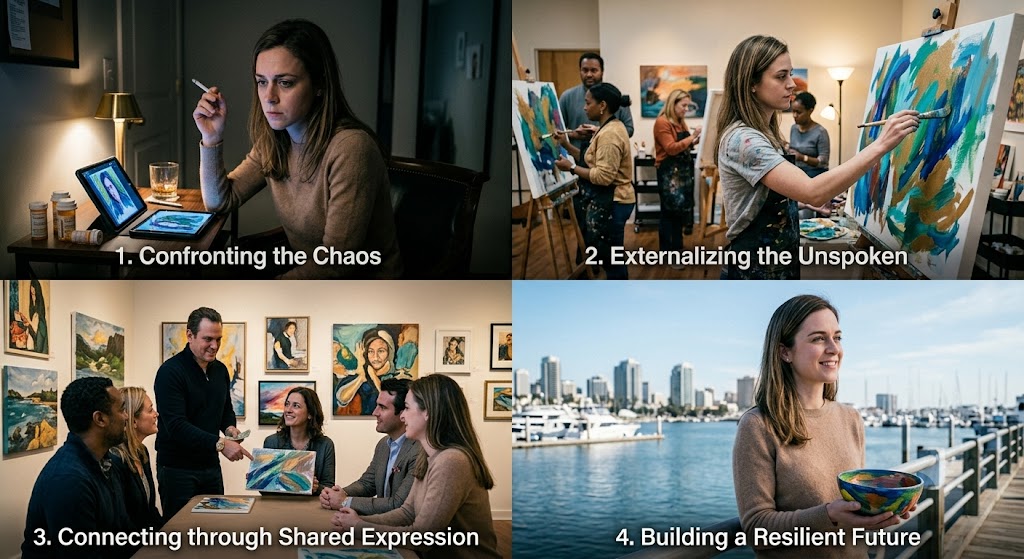
Creating a New Beginning: The Role of Art in Building Confidence After Addiction

Posted on by

Recovery is a chance to create a new beginning. While overcoming addiction is a remarkable achievement, true healing involves much more than maintaining sobriety. It requires rebuilding self-confidence, developing healthy coping skills, and rediscovering the person you were always meant to be. Many individuals leave addiction behind carrying feelings of guilt, shame, or uncertainty about the future. Creative expression can help bridge that gap by providing opportunities for emotional healing, self-discovery, and personal growth. Through art, people in recovery often find the confidence to embrace a healthier and more hopeful life.

At Strawdawg, recovery is built around compassionate, individualized care that supports every aspect of healing. Through comprehensive addiction recovery services, mental health treatment, inpatient and outpatient programs, and holistic or faith-based approaches, clients receive personalized care that addresses both substance use and the emotional challenges that often accompany it. Creative activities can become an important part of this healing process by helping individuals rebuild confidence while strengthening long-term recovery.

Why Confidence Matters in Addiction Recovery

Addiction Often Damages Self-Esteem

Many people entering treatment have experienced setbacks that affected their confidence. Broken relationships, career challenges, financial difficulties, and the emotional weight of addiction can leave individuals questioning their value and abilities.

These feelings do not disappear overnight. Recovery involves learning to replace self-criticism with self-compassion while recognizing that healing is possible.

Confidence Supports Lasting Sobriety

Believing in yourself plays an important role in maintaining recovery. Individuals who develop healthy self-confidence are often better prepared to manage stress, make positive decisions, and continue moving toward their goals.

Confidence also strengthens resilience. Instead of viewing obstacles as failures, individuals begin to see them as opportunities for learning and continued growth.

How Art Helps Rebuild Confidence

Creativity Encourages Personal Achievement

One of the most rewarding aspects of creative expression is seeing progress over time. Completing a drawing, painting, journal, or other creative project provides a genuine sense of accomplishment.

These small successes matter. Every finished project reminds individuals that they are capable of learning, growing, and achieving meaningful goals.

Art Creates a Judgment-Free Environment

Unlike many areas of life, art does not require perfection. There are no grades, competitions, or expectations that every piece must look a certain way.

This freedom allows individuals to focus on the experience rather than the outcome. It encourages curiosity, self-expression, and confidence without fear of failure.

Creativity Helps People Rediscover Their Identity

Addiction often overshadows personal interests, talents, and passions. During recovery, many individuals have the opportunity to reconnect with activities they once enjoyed or discover entirely new creative outlets.

Painting, writing, photography, music, woodworking, or crafting can all become reminders that life is filled with possibilities beyond addiction.

The Connection Between Art and Mental Health

Processing Difficult Emotions

Creative expression allows emotions to surface in healthy ways. Feelings of grief, anxiety, anger, or sadness can be explored through artistic activities without the pressure of finding the perfect words.

This emotional release often reduces internal stress while supporting greater self-awareness.

Reducing Anxiety Through Mindfulness

Creative activities naturally encourage mindfulness by keeping attention focused on the present moment. Whether someone is sketching, painting, or writing, creativity helps quiet racing thoughts and promotes emotional balance.

This calming effect can improve mental wellness while reducing the emotional intensity that sometimes accompanies early recovery.

Strengthening Emotional Resilience

Recovery is not about avoiding challenges. It is about learning how to respond to them in healthier ways.

Art teaches patience, flexibility, and perseverance. Every creative project involves experimentation, adjustment, and progress. These same qualities are valuable throughout the recovery journey.

Practical Ways to Use Creativity During Recovery

Keep a Creative Journal

Combining writing with sketches, inspirational quotes, or personal reflections helps individuals track emotional growth while celebrating recovery milestones.

Explore Different Art Forms

Everyone expresses creativity differently. Some people enjoy painting, while others find fulfillment in music, photography, pottery, knitting, or digital art.

Trying different activities allows individuals to discover what brings them peace, joy, and confidence.

Join Creative Recovery Groups

Participating in creative workshops or group art activities offers opportunities to connect with others who understand the recovery journey. These shared experiences build encouragement, accountability, and healthy social connections.

Create a Regular Routine

Setting aside time each week for creative expression reinforces healthy habits and provides a consistent outlet for managing stress.

Art as Part of Holistic Addiction Treatment

At Strawdawg, healing extends beyond treating addiction alone. Holistic recovery recognizes that lasting wellness involves emotional health, mental wellness, physical care, and spiritual growth. Every individual has different needs, strengths, and goals, which is why personalized treatment remains so important.

Creative expression complements evidence-based therapies by providing another way to process emotions and strengthen coping skills. Whether someone participates in inpatient care or outpatient treatment, artistic activities can become a meaningful part of a comprehensive recovery plan that supports lasting change.

Combined with counseling, behavioral therapies, peer support, and faith-based guidance when desired, creativity helps individuals build a stronger foundation for lifelong recovery.

Looking Forward With Hope

Recovery is an opportunity to write a new chapter. Every positive decision, every healthy habit, and every creative accomplishment contributes to a future built on confidence rather than fear.

Art reminds us that every masterpiece begins with a blank canvas. Likewise, every recovery journey begins with a willingness to take the first step. Progress happens one choice at a time, and each creative experience becomes another reminder that healing is possible.

Conclusion

Creating a new beginning after addiction requires courage, support, and the belief that positive change is within reach. Creative expression helps make that transformation possible by encouraging emotional healing, rebuilding confidence, and strengthening mental wellness. Through art, individuals discover healthier ways to cope with life’s challenges while reconnecting with their strengths and personal identity.

If you or someone you love is searching for compassionate addiction recovery and mental health treatment, professional care can provide the guidance needed to move forward with confidence. At Strawdawg, individualized inpatient and outpatient programs, holistic treatment, and evidence-based care are designed to help each person build a healthier future. Recovery is possible, and every creative step forward is another step toward lasting hope, confidence, and lifelong wellness.

When Words Fall Short: How Creative Expression Supports Mental Health and Lasting Recovery

Posted on by

Recovery is a deeply personal journey, and no two experiences are exactly alike. While counseling, medical care, and peer support are essential parts of addiction treatment, many people discover that some emotions cannot be fully explained through conversation alone. Feelings connected to trauma, grief, anxiety, shame, or depression can be difficult to describe, even in a safe therapeutic setting. When words fall short, creative expression can open another path toward healing. Through art, music, writing, and other creative activities, individuals can process emotions, strengthen mental health, and build a stronger foundation for lasting recovery.

At Strawdawg, healing is centered on compassionate, individualized care that addresses the unique needs of every client. Through comprehensive addiction recovery services, mental health treatment, inpatient and outpatient programs, and holistic or faith-based approaches, individuals receive support that promotes healing of the mind, body, and spirit. Creative expression can become an important part of this process by encouraging emotional growth, resilience, and long-term wellness.

Why Emotional Expression Matters in Recovery

Unexpressed Emotions Can Slow Healing

Many people struggling with addiction have spent years suppressing painful emotions or using substances to avoid them. While this may provide temporary relief, unresolved emotions often remain beneath the surface, contributing to ongoing mental health challenges and increasing the risk of relapse.

Recovery encourages individuals to acknowledge these emotions in healthy ways. Learning to recognize, express, and process difficult feelings helps reduce emotional distress while promoting greater self-awareness.

Healing Requires More Than Talking

Traditional therapy provides valuable opportunities for reflection and growth. However, some experiences are difficult to explain verbally. Trauma, loss, and deeply rooted emotional pain may feel impossible to describe.

Creative expression offers another form of communication. It allows individuals to explore emotions without the pressure of finding the perfect words, making the healing process more approachable and meaningful.

How Creative Expression Supports Mental Health

Art Creates a Safe Outlet

Drawing, painting, sculpting, photography, and other forms of visual art provide a safe environment for emotional exploration. Rather than holding painful emotions inside, individuals can transform them into something visible and manageable.

The goal is not artistic perfection. The value lies in the creative process itself, which encourages honesty, curiosity, and emotional release.

Music Encourages Emotional Connection

Music has the ability to reach emotions in unique ways. Listening to meaningful songs, learning an instrument, singing, or writing lyrics can help individuals process experiences while reducing feelings of isolation.

Music also supports relaxation and emotional regulation, making it a valuable addition to a comprehensive recovery plan.

Writing Brings Clarity

Journaling allows individuals to organize thoughts, reflect on recovery milestones, and better understand emotional patterns. Over time, writing creates a record of personal growth that reminds individuals how far they have come.

Whether through poetry, personal reflection, or gratitude journaling, writing encourages emotional insight and resilience.

Creative Expression Strengthens Lasting Recovery

Building Healthy Coping Skills

Recovery involves replacing unhealthy coping mechanisms with healthier alternatives. Creative activities provide positive ways to manage stress, anxiety, frustration, and sadness without returning to substance use.

Over time, creativity becomes a dependable coping strategy that supports both emotional stability and long-term sobriety.

Reducing Stress Through Mindfulness

Creative activities naturally encourage mindfulness by focusing attention on the present moment. Whether someone is painting, writing, or creating music, the mind shifts away from worry and toward the task at hand.

This calming effect can reduce anxiety, improve concentration, and help individuals feel more emotionally grounded during recovery.

Rebuilding Confidence

Addiction often affects self-esteem and personal identity. Many individuals enter treatment believing they have lost important parts of themselves.

Creative accomplishments help rebuild confidence one step at a time. Completing a painting, writing a meaningful journal entry, or learning a new creative skill reinforces the belief that growth and change are possible.

Practical Ways to Incorporate Creativity Into Recovery

Start With Small Daily Habits

Creative expression does not require professional talent or expensive materials. A notebook, colored pencils, a sketchbook, or a favorite playlist can become meaningful recovery tools.

Even fifteen minutes of creativity each day can improve emotional well-being and reduce stress.

Explore Different Forms of Creativity

Every person connects with creativity differently. Some individuals enjoy painting, while others prefer photography, music, crafting, creative writing, woodworking, or gardening.

Exploring different activities allows each person to discover what feels most meaningful and therapeutic.

Combine Creativity With Professional Treatment

Creative expression works best when it complements evidence-based addiction treatment and mental health care. Therapy, medical support, group counseling, and holistic services provide the clinical foundation, while artistic activities enhance emotional healing and personal growth.

Art as Part of Holistic Recovery

At Strawdawg, recovery focuses on treating the whole person rather than addressing addiction alone. Holistic care recognizes the importance of emotional health, mental wellness, physical well-being, and spiritual growth throughout the recovery journey.

Creative expression naturally fits within this philosophy. Whether someone is participating in inpatient treatment or outpatient care, artistic activities can be integrated into a personalized treatment plan that supports their unique goals and strengths.

As individuals become more comfortable expressing themselves creatively, they often discover greater emotional freedom, stronger coping skills, and a renewed sense of hope.

Conclusion

When words feel inadequate, creativity can provide another way forward. Art, music, writing, and other creative practices allow individuals to process difficult emotions, strengthen mental health, and build healthier ways of coping with life’s challenges. These activities encourage mindfulness, resilience, confidence, and emotional healing while supporting long-term recovery.

Healing is not about finding perfect words or perfect solutions. It is about discovering healthy ways to understand yourself, express your experiences, and continue moving toward a brighter future.

If you or someone you love is seeking compassionate addiction recovery and mental health treatment, professional support can make all the difference. At Strawdawg, individualized inpatient and outpatient programs, holistic care, and evidence-based treatment help individuals create lasting recovery while restoring hope for the future. Every step toward healing matters, and every act of creative expression can become part of a stronger, healthier life.

Finding Hope Through Creativity: How Art Helps Heal the Mind During Addiction Recovery

Posted on by

Addiction recovery is about far more than breaking free from drugs or alcohol. It is a journey of healing the mind, restoring emotional well-being, and creating a life built on healthier choices. Many individuals entering treatment carry years of emotional pain, unresolved trauma, anxiety, depression, or overwhelming stress. While counseling and evidence-based therapies are essential components of recovery, creative expression offers another powerful way to heal. Art provides a safe space to process emotions, reduce stress, and reconnect with hope when words alone are not enough.

At Strawdawg, recovery is built around compassionate, individualized care that supports every aspect of a person’s well-being. Through comprehensive addiction recovery services, mental health treatment, inpatient and outpatient care, and holistic or faith-based approaches, clients are encouraged to discover the healing methods that best fit their unique journey. Creative expression is one of many tools that can strengthen recovery by supporting emotional growth, mental wellness, and lasting sobriety.

Why Emotional Healing Is Essential During Recovery

Addiction Often Begins With Emotional Pain

Substance use disorders rarely develop in isolation. Many individuals begin using alcohol or drugs to cope with difficult emotions, traumatic experiences, chronic stress, or untreated mental health conditions. Although substances may temporarily numb emotional pain, they do not resolve the issues beneath the surface.

Sustainable recovery requires addressing these underlying challenges. Emotional healing helps individuals build healthier coping skills while reducing the risk of returning to substance use during stressful times.

Recovery Involves Relearning Healthy Emotional Responses

Many people entering treatment have spent years avoiding difficult emotions. Recovery encourages individuals to acknowledge these feelings, understand where they come from, and learn healthier ways to respond.

Creative expression can make this process feel less overwhelming. Art creates opportunities to explore emotions safely while encouraging self-reflection and personal growth.

How Art Helps Heal the Mind

Expressing Feelings Beyond Words

Some emotions are difficult to describe through conversation alone. Trauma, grief, fear, guilt, and shame often exist beneath the surface in ways that feel impossible to explain.

Art offers another language. Whether through painting, drawing, writing, photography, sculpture, or music, creative activities allow individuals to express emotions visually or symbolically. This form of expression often provides relief while making emotional experiences easier to understand.

Reducing Stress and Anxiety

Creative activities naturally encourage mindfulness. Focusing on colors, shapes, textures, or creative movement shifts attention away from anxious thoughts and into the present moment.

This simple change in focus helps calm the nervous system, lower stress levels, and promote emotional balance. For individuals in recovery, these moments of calm can become valuable tools for maintaining mental wellness.

Supporting Emotional Resilience

Healing is not about avoiding difficult emotions. It is about learning to move through them without becoming overwhelmed.

Creative expression strengthens resilience by giving individuals healthy ways to process disappointment, sadness, frustration, and uncertainty. Over time, these experiences build confidence and reinforce healthier coping strategies.

Creativity Helps Rebuild Identity

Rediscovering Personal Strengths

Addiction often causes people to lose sight of their talents, interests, and personal values. Recovery provides an opportunity to reconnect with these forgotten parts of life.

Creative activities encourage curiosity and self-discovery. Trying a new artistic activity or returning to an old hobby reminds individuals that they are more than their addiction.

Building Confidence Through Progress

Art is not about creating perfect results. It is about showing up, trying something new, and expressing yourself honestly.

Completing a creative project provides a sense of accomplishment that supports self-esteem. Every painting, journal entry, or handmade project becomes evidence of personal growth and continued healing.

Practical Creative Activities That Support Recovery

Keep a Recovery Journal

Writing about emotions, daily experiences, and recovery milestones helps organize thoughts and identify personal progress. Journaling also encourages gratitude and greater emotional awareness.

Explore Painting or Drawing

Visual art allows emotions to take shape without relying on words. The creative process itself becomes therapeutic, regardless of artistic experience.

Listen to or Create Music

Music has a powerful effect on emotional well-being. Listening to meaningful songs, learning an instrument, or writing lyrics can provide comfort and encourage emotional release.

Try Hands-On Creative Projects

Activities such as pottery, woodworking, knitting, gardening, or crafting encourage mindfulness while creating a healthy sense of purpose and accomplishment.

Art as Part of Holistic Addiction Treatment

At Strawdawg, recovery is approached as a whole-person experience. Healing involves physical health, emotional well-being, mental health, relationships, and spiritual growth. Holistic treatment recognizes that each of these areas contributes to lasting recovery.

Creative expression complements traditional therapies by offering another avenue for emotional healing. Whether someone is participating in inpatient treatment or outpatient care, creative practices can be incorporated into a personalized treatment plan alongside counseling, behavioral therapies, peer support, and faith-based guidance when desired.

Rather than replacing clinical treatment, art strengthens it by helping individuals engage more deeply in their recovery journey.

Creating Hope for the Future

Recovery is built one step at a time. Every healthy choice, every honest conversation, and every creative effort contributes to long-term healing. Art reminds individuals that transformation is possible because every blank canvas holds the potential for something new.

Creative expression also encourages hope by helping people focus on what they are building instead of only what they are leaving behind. Through creativity, individuals often discover renewed confidence, healthier relationships, and a stronger sense of purpose.

Conclusion

Healing the mind during addiction recovery requires compassion, patience, and the willingness to explore new ways of coping with life’s challenges. Creative expression offers a powerful opportunity to process emotions, reduce stress, rebuild confidence, and strengthen mental wellness. When combined with comprehensive addiction treatment and individualized care, art becomes much more than a hobby. It becomes a meaningful part of lifelong recovery.

If you or someone you love is seeking professional addiction recovery and mental health treatment, reaching out for help is an important first step. At Strawdawg, compassionate inpatient and outpatient programs, holistic care, and personalized treatment plans are designed to help individuals heal emotionally, mentally, and spiritually. Recovery is possible, and every creative step forward brings new opportunities for hope, healing, and lasting change.

From Pain to Expression: How Art Becomes a Powerful Tool in Recovery Journeys

Posted on by

Healing from addiction is about much more than achieving sobriety. It is about facing emotional pain, understanding the experiences that contributed to substance use, and learning healthier ways to cope with life’s challenges. For many people, this process is not easy to put into words. Deep emotions such as grief, trauma, fear, shame, and anxiety often feel too overwhelming to explain. Creative expression offers another path forward. Through art, individuals can safely explore these emotions, build resilience, and discover new ways to heal both emotionally and mentally.

At Strawdawg, recovery is built on compassionate, individualized care that recognizes every person’s story is different. Through comprehensive addiction recovery services, mental health treatment, inpatient and outpatient care, and holistic or faith-based approaches, clients receive support that addresses the whole person. Creative practices are one valuable part of that journey, helping individuals transform emotional pain into personal growth while strengthening long-term recovery.

Why Emotional Healing Matters in Addiction Recovery

Looking Beyond Substance Use

Addiction often develops alongside emotional pain rather than apart from it. Many individuals use alcohol or drugs to cope with unresolved trauma, chronic stress, anxiety, depression, or painful life experiences. While substances may temporarily numb emotional discomfort, they rarely resolve the underlying issues.

Lasting recovery requires addressing these deeper emotional challenges. When individuals begin healing emotionally, they become better equipped to maintain sobriety and build healthier relationships with themselves and others.

Processing Emotions in Healthy Ways

Recovery encourages individuals to experience emotions rather than avoid them. This can feel uncomfortable at first, especially for those who have relied on substances for emotional relief.

Creative expression provides a healthy outlet for this process. Instead of suppressing emotions, individuals can explore them through artistic activities that encourage reflection without judgment.

How Art Supports Emotional Recovery

Expressing Feelings That Are Difficult to Describe

Trauma and emotional pain are not always easy to explain with words. Art provides another language, allowing people to communicate through colors, shapes, movement, music, or written expression.

Painting, drawing, journaling, photography, sculpture, or other creative activities allow emotions to become visible. This often makes them easier to understand and process within the recovery journey.

Reducing Stress and Emotional Overload

Creating art naturally encourages focus and mindfulness. During creative activities, attention shifts away from racing thoughts and toward the present moment.

This mindful engagement can reduce anxiety, calm the nervous system, and create emotional balance. As individuals continue practicing creative expression, they often find themselves better able to manage stress without relying on substances.

Supporting Self-Discovery

Addiction can leave people feeling disconnected from their identity. Many individuals struggle to remember who they were before substance use became part of their lives.

Creative activities encourage exploration of personal interests, values, strengths, and dreams. This process helps individuals reconnect with themselves and build confidence as recovery progresses.

Practical Creative Practices That Support Recovery

Journaling for Reflection

Writing provides a structured way to explore thoughts, emotions, and personal growth. Keeping a recovery journal can help individuals recognize patterns, celebrate progress, and better understand emotional triggers.

Painting and Drawing

Visual art offers complete freedom of expression. There is no right or wrong outcome. The focus remains on expressing emotions rather than creating perfect artwork.

Music and Creative Listening

Music has a unique ability to influence mood and encourage emotional release. Playing an instrument, singing, writing lyrics, or simply listening to meaningful music can become an important recovery practice.

Crafting and Hands-On Creativity

Creative hobbies such as pottery, woodworking, knitting, or other hands-on projects encourage patience, concentration, and mindfulness while providing a healthy sense of accomplishment.

Art as Part of Holistic Recovery

At Strawdawg, treatment focuses on healing the whole person rather than treating addiction alone. Holistic care recognizes that physical health, emotional wellness, mental health, and spiritual growth all contribute to lasting recovery.

Creative expression complements evidence-based therapies by giving individuals another way to explore emotions and strengthen coping skills. Whether someone participates in inpatient treatment or outpatient care, artistic activities can be incorporated into a personalized recovery plan that reflects their unique needs and goals.

When combined with counseling, behavioral therapy, peer support, and faith-based guidance when desired, creativity becomes part of a comprehensive approach to healing.

Building Emotional Strength Through Creativity

Developing Healthy Coping Skills

One of the greatest challenges in recovery is replacing unhealthy habits with healthier alternatives. Creative expression provides a positive outlet during moments of stress, sadness, frustration, or uncertainty.

Each time an individual chooses to create instead of returning to substance use, they reinforce healthier coping patterns that support lasting sobriety.

Celebrating Progress

Recovery is made up of many small victories. Completing a painting, writing a poem, or finishing a journal entry may seem simple, but these accomplishments build confidence over time.

Creative projects become reminders of personal growth and resilience. They reflect how far an individual has come and inspire hope for the future.

Conclusion: Turning Pain Into Purpose

Every recovery journey begins with a decision to pursue healing. Along the way, individuals discover new strengths, healthier coping strategies, and opportunities for personal transformation. Creative expression can become one of the most meaningful tools in that process by helping people explore emotions, process trauma, and rebuild emotional well-being.

Art reminds us that healing is not about perfection. It is about progress, honesty, and the courage to keep moving forward. Every brushstroke, written word, or musical note represents another step toward a healthier and more fulfilling life.

If you or someone you love is seeking compassionate addiction recovery and mental health treatment, professional support can provide the guidance needed to begin healing. With personalized care, holistic treatment options, and a commitment to lasting recovery, a brighter future is possible. The journey from pain to expression can become the journey from addiction to lasting hope.