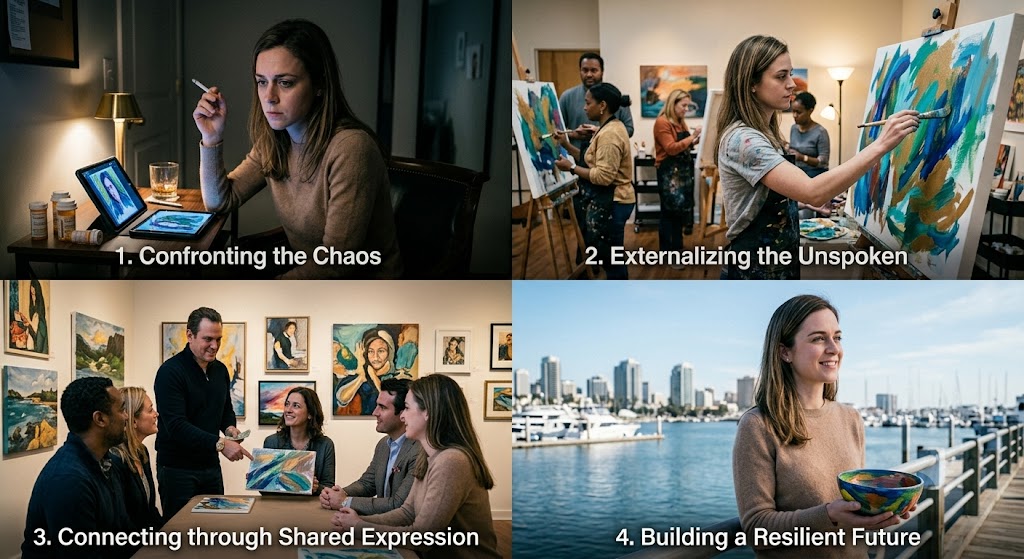
Healing from addiction is about much more than achieving sobriety. It is about facing emotional pain, understanding the experiences that contributed to substance use, and learning healthier ways to cope with life’s challenges. For many people, this process is not easy to put into words. Deep emotions such as grief, trauma, fear, shame, and anxiety often feel too overwhelming to explain. Creative expression offers another path forward. Through art, individuals can safely explore these emotions, build resilience, and discover new ways to heal both emotionally and mentally.
At Strawdawg, recovery is built on compassionate, individualized care that recognizes every person’s story is different. Through comprehensive addiction recovery services, mental health treatment, inpatient and outpatient care, and holistic or faith-based approaches, clients receive support that addresses the whole person. Creative practices are one valuable part of that journey, helping individuals transform emotional pain into personal growth while strengthening long-term recovery.
Why Emotional Healing Matters in Addiction Recovery
Looking Beyond Substance Use
Addiction often develops alongside emotional pain rather than apart from it. Many individuals use alcohol or drugs to cope with unresolved trauma, chronic stress, anxiety, depression, or painful life experiences. While substances may temporarily numb emotional discomfort, they rarely resolve the underlying issues.
Lasting recovery requires addressing these deeper emotional challenges. When individuals begin healing emotionally, they become better equipped to maintain sobriety and build healthier relationships with themselves and others.
Processing Emotions in Healthy Ways
Recovery encourages individuals to experience emotions rather than avoid them. This can feel uncomfortable at first, especially for those who have relied on substances for emotional relief.
Creative expression provides a healthy outlet for this process. Instead of suppressing emotions, individuals can explore them through artistic activities that encourage reflection without judgment.
How Art Supports Emotional Recovery
Expressing Feelings That Are Difficult to Describe
Trauma and emotional pain are not always easy to explain with words. Art provides another language, allowing people to communicate through colors, shapes, movement, music, or written expression.
Painting, drawing, journaling, photography, sculpture, or other creative activities allow emotions to become visible. This often makes them easier to understand and process within the recovery journey.
Reducing Stress and Emotional Overload
Creating art naturally encourages focus and mindfulness. During creative activities, attention shifts away from racing thoughts and toward the present moment.
This mindful engagement can reduce anxiety, calm the nervous system, and create emotional balance. As individuals continue practicing creative expression, they often find themselves better able to manage stress without relying on substances.
Supporting Self-Discovery
Addiction can leave people feeling disconnected from their identity. Many individuals struggle to remember who they were before substance use became part of their lives.
Creative activities encourage exploration of personal interests, values, strengths, and dreams. This process helps individuals reconnect with themselves and build confidence as recovery progresses.
Practical Creative Practices That Support Recovery
Journaling for Reflection
Writing provides a structured way to explore thoughts, emotions, and personal growth. Keeping a recovery journal can help individuals recognize patterns, celebrate progress, and better understand emotional triggers.
Painting and Drawing
Visual art offers complete freedom of expression. There is no right or wrong outcome. The focus remains on expressing emotions rather than creating perfect artwork.
Music and Creative Listening
Music has a unique ability to influence mood and encourage emotional release. Playing an instrument, singing, writing lyrics, or simply listening to meaningful music can become an important recovery practice.
Crafting and Hands-On Creativity
Creative hobbies such as pottery, woodworking, knitting, or other hands-on projects encourage patience, concentration, and mindfulness while providing a healthy sense of accomplishment.
Art as Part of Holistic Recovery
At Strawdawg, treatment focuses on healing the whole person rather than treating addiction alone. Holistic care recognizes that physical health, emotional wellness, mental health, and spiritual growth all contribute to lasting recovery.
Creative expression complements evidence-based therapies by giving individuals another way to explore emotions and strengthen coping skills. Whether someone participates in inpatient treatment or outpatient care, artistic activities can be incorporated into a personalized recovery plan that reflects their unique needs and goals.
When combined with counseling, behavioral therapy, peer support, and faith-based guidance when desired, creativity becomes part of a comprehensive approach to healing.
Building Emotional Strength Through Creativity
Developing Healthy Coping Skills
One of the greatest challenges in recovery is replacing unhealthy habits with healthier alternatives. Creative expression provides a positive outlet during moments of stress, sadness, frustration, or uncertainty.
Each time an individual chooses to create instead of returning to substance use, they reinforce healthier coping patterns that support lasting sobriety.
Celebrating Progress
Recovery is made up of many small victories. Completing a painting, writing a poem, or finishing a journal entry may seem simple, but these accomplishments build confidence over time.
Creative projects become reminders of personal growth and resilience. They reflect how far an individual has come and inspire hope for the future.
Conclusion: Turning Pain Into Purpose
Every recovery journey begins with a decision to pursue healing. Along the way, individuals discover new strengths, healthier coping strategies, and opportunities for personal transformation. Creative expression can become one of the most meaningful tools in that process by helping people explore emotions, process trauma, and rebuild emotional well-being.
Art reminds us that healing is not about perfection. It is about progress, honesty, and the courage to keep moving forward. Every brushstroke, written word, or musical note represents another step toward a healthier and more fulfilling life.
If you or someone you love is seeking compassionate addiction recovery and mental health treatment, professional support can provide the guidance needed to begin healing. With personalized care, holistic treatment options, and a commitment to lasting recovery, a brighter future is possible. The journey from pain to expression can become the journey from addiction to lasting hope.