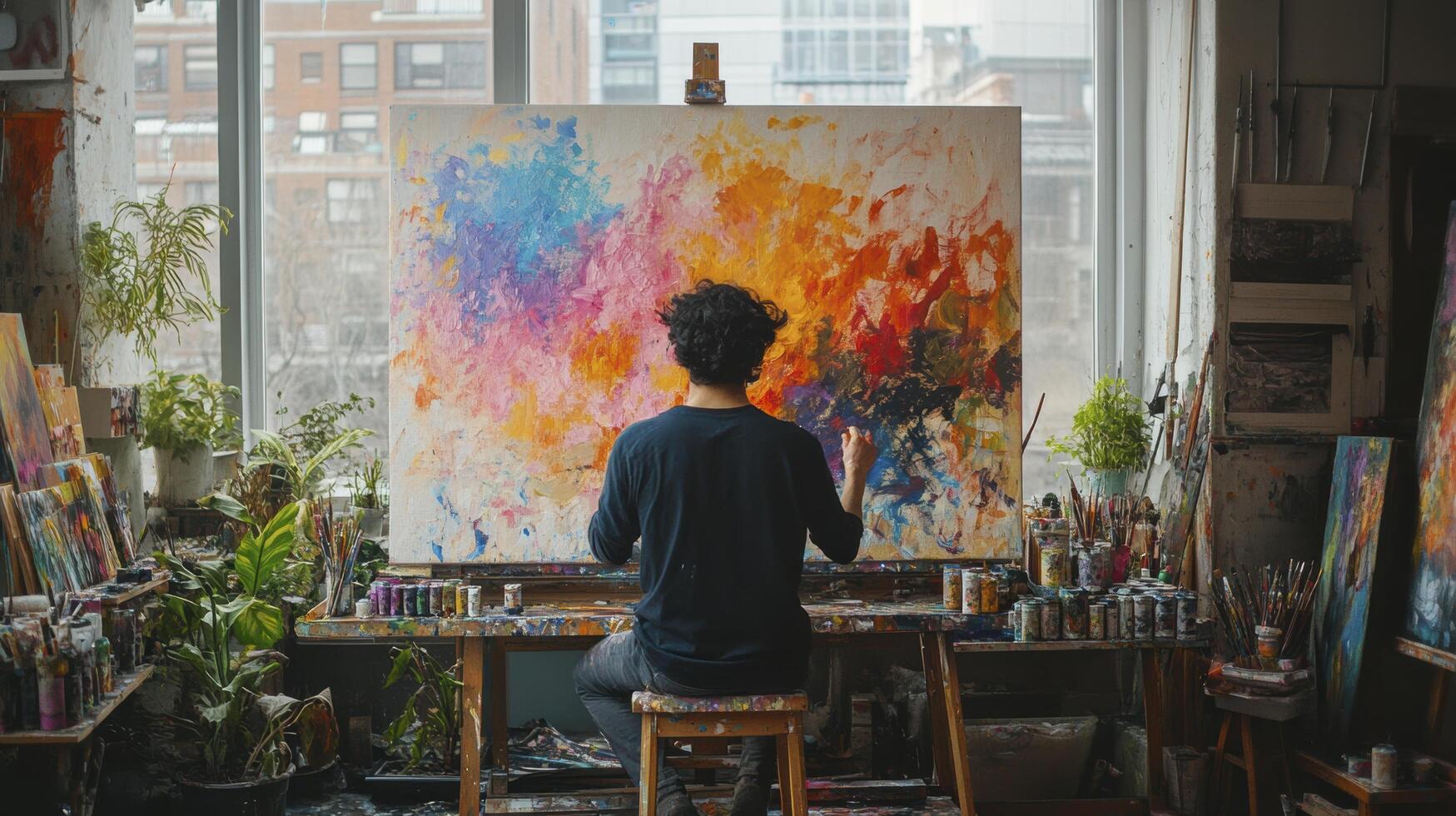
Life after addiction involves more than staying away from drugs or alcohol. It also means rebuilding emotional health, rediscovering personal interests, strengthening relationships, and finding meaningful ways to spend each day. For many people, this process can feel unfamiliar. Creative hobbies such as painting, photography, music, writing, and crafting offer practical ways to explore emotions, reduce everyday stress, and develop a stronger sense of identity. When combined with professional addiction treatment and mental health support, creative activities can become an important part of a balanced recovery lifestyle.
You do not need artistic talent or expensive materials to get started. The real value comes from making time for something positive, expressing yourself, and discovering activities that bring enjoyment without involving substance use. These experiences can help make life after addiction feel more rewarding and connected to your personal goals.
Why Mental Health Matters After Addiction
Recovery is a process of rebuilding several areas of life. While physical health and sobriety are important, emotional well-being deserves equal attention. People may experience anxiety, depression, loneliness, guilt, or uncertainty as they adjust to life without substances.
In some cases, mental health concerns existed before addiction began. In others, emotional difficulties may become more noticeable once substance use stops. Either way, addressing these challenges is important for long-term stability.
Learning to Manage Emotions Without Substances
Alcohol and drugs can become a way of avoiding uncomfortable feelings. Over time, a person may rely on substances whenever stress, sadness, frustration, or fear becomes difficult to manage.
Recovery requires developing healthier responses. Creative hobbies can provide a constructive outlet when emotions feel overwhelming. Writing about a difficult experience, sketching an abstract image, or playing music may help someone slow down and recognize what they are feeling.
These activities do not replace counseling or clinical treatment. Instead, they can support the emotional skills developed through professional care.
Rebuilding a Sense of Identity
Addiction can take up so much time and attention that personal interests and ambitions become neglected. Some people reach recovery unsure of what they enjoy or what they want their future to look like.
Creative hobbies offer an opportunity to explore those questions. Learning photography, trying pottery, joining a writing group, or practicing an instrument can introduce new interests and personal goals.
Each experience helps reinforce an important idea: a person’s identity is not defined by addiction or past mistakes.
5 Ways Creative Hobbies Can Support Mental Health
Creative activities can contribute to emotional well-being in several ways. Although the benefits vary from person to person, making room for regular creative experiences may help establish healthier habits and improve daily quality of life.
1. Creativity Offers an Outlet for Difficult Emotions
Some experiences are difficult to explain. A person may understand that they feel angry, anxious, or sad but struggle to describe why.
Art offers another way to explore those emotions. Painting, drawing, journaling, and photography allow people to communicate through images, colors, words, and personal symbols.
For example, someone dealing with grief might write a letter they do not intend to send. Another person might create a collage representing the changes they want to make in life. These activities can encourage reflection and provide useful starting points for conversations with a therapist.
2. Creative Activities Encourage Focus and Mindfulness
Stress often involves worrying about the future or repeatedly thinking about the past. Creative hobbies can bring attention back to the task in front of you.
Painting a small picture, arranging photographs, or working on a craft requires concentration. Paying attention to colors, textures, and movements may create a welcome break from repetitive thoughts.
This kind of focused activity can complement mindfulness practices. It does not require a person to clear their mind completely. Instead, it encourages them to notice what they are doing in the present moment.
3. Completing Projects Builds Confidence
Addiction can affect self-esteem, especially when it has contributed to broken commitments, damaged relationships, or difficulties at work and home.
Creative projects provide manageable opportunities to experience progress. Finishing a drawing, learning a song, or completing a handmade item can create a sense of accomplishment.
Start with small goals. Rather than trying to master an entire skill, focus on learning one technique or completing one simple project. Over time, these experiences can reinforce confidence and encourage a more positive view of personal abilities.
4. Hobbies Help Create Healthy Daily Routines
Structure can be helpful during recovery. Without a plan for free time, people may find themselves returning to familiar environments or habits that make sobriety more difficult.
Creative hobbies can provide positive activities to include in a daily or weekly schedule. For instance, someone might journal before breakfast, attend a weekly art class, or spend Sunday afternoons practicing an instrument.
These routines create opportunities for enjoyment while reducing unstructured time. They can also provide something positive to look forward to during challenging weeks.
5. Shared Creative Interests Build Social Connections
Isolation can affect mental health and make recovery more difficult. Creative hobbies offer opportunities to connect with people through shared interests rather than focusing every conversation on addiction.
Consider joining a community art class, photography group, choir, or craft workshop. These settings can encourage social interaction and introduce friendships built around positive activities.
For people who feel nervous about meeting others, a group hobby can provide a natural conversation starter. There is no pressure to share personal history before feeling comfortable.
Creative Hobbies to Explore After Addiction
The best hobby is one that feels enjoyable, accessible, and appropriate for your needs. You do not have to choose a traditional art form. Creativity can take many forms.
Painting, Drawing, and Crafts
Painting and drawing allow people to experiment with color, shapes, and different materials. Crafts such as knitting, pottery, woodworking, and model building can also encourage patience and concentration.
Begin with inexpensive supplies and simple projects. The goal is to enjoy the process rather than produce something perfect.
Writing and Journaling
Writing can help organize thoughts and make personal experiences easier to reflect on. You might keep a daily journal, write short stories, explore poetry, or record goals for the future.
A useful exercise is to write down three things you noticed during the day: one challenge, one positive experience, and one thing you would like to approach differently tomorrow.
Music, Dance, and Photography
Music offers opportunities for expression through listening, singing, or learning an instrument. Dance combines movement and creativity, while photography encourages people to notice details in their surroundings.
These hobbies can be adapted to different energy levels, budgets, and personal preferences. Even taking a short walk to photograph interesting scenery can provide a positive change of pace.
How Creative Hobbies Fit Into Professional Addiction Treatment
Creative activities can support mental health, but they are not a substitute for professional addiction treatment. People recovering from substance use disorders may need medical care, counseling, psychiatric support, or structured treatment to address their individual circumstances.
Inpatient and Outpatient Care
Inpatient treatment provides a structured setting for people who need a higher level of support. It can help individuals focus on stabilization, treatment, and the development of recovery skills.
Outpatient care allows people to attend scheduled treatment while continuing to manage responsibilities at home, work, or school. The appropriate level of care depends on factors such as substance use history, withdrawal risks, physical health, mental health needs, and the stability of a person’s support system.
Creative hobbies can complement either approach. Someone receiving inpatient care might participate in an organized creative activity, while someone in outpatient treatment could use journaling or music as part of a healthy routine between appointments.
Combining Creativity With Mental Health Therapy
Professional therapy helps individuals understand emotional patterns, address underlying concerns, and develop practical coping strategies. Creative activities may support this work by giving people additional ways to express themselves.
Formal art therapy is different from simply enjoying a hobby. It is a specialized mental health service that uses creative processes within a therapeutic relationship and is provided by appropriately trained professionals.
For individuals dealing with trauma, depression, anxiety, or other mental health concerns, a qualified clinician can help determine whether art therapy or another treatment approach is appropriate.
Making Recovery Personal
No two people have exactly the same recovery needs. Some may find meaning in creative hobbies, while others prefer physical activity, spiritual practices, volunteering, or time in nature.
An individualized approach considers personal interests, values, health needs, and treatment goals. For people who value faith, spiritual practices may also provide encouragement and a sense of purpose.
The goal is to develop a combination of professional care and everyday activities that supports lasting well-being.
How to Make Creativity Part of Your Routine
Starting a new hobby can feel difficult when motivation is low. Keep the process simple and allow yourself time to discover what you enjoy.
Try these practical suggestions:
- Choose one activity: Start with something that interests you instead of taking on several new hobbies at once.
- Set a realistic schedule: Begin with ten or fifteen minutes a few times each week.
- Keep supplies accessible: A notebook, pencils, or a basic craft kit can make it easier to begin.
- Avoid perfectionism: Focus on participating rather than judging the finished result.
- Notice how you feel: Pay attention to whether the activity helps you relax, concentrate, or express yourself.
- Stay connected: Share your interests with supportive friends, family members, or recovery peers.
Some activities may bring up difficult memories or emotions. If this happens, take a break and discuss the experience with a mental health professional. Your emotional safety matters more than completing a project.
Build a Healthier Life Beyond Addiction
Creative hobbies can help people reconnect with themselves after addiction. Through art, music, writing, photography, and other activities, individuals can explore emotions, develop confidence, establish healthy routines, and discover interests that make everyday life more meaningful.
However, creativity is only one part of the recovery process. Professional addiction treatment, mental health care, supportive relationships, and practical coping strategies remain essential for many people. Combining these resources can help create a stronger foundation for lasting change.
If addiction has affected your life or the well-being of someone you care about, consider reaching out to a qualified treatment provider. Whether inpatient care, outpatient treatment, mental health support, or an individualized recovery plan is needed, asking for help is a meaningful step forward.
Life after addiction can include more than avoiding substances. It can include new interests, stronger relationships, personal achievements, and activities that bring genuine enjoyment. Give yourself permission to explore what you love, one creative experience at a time.