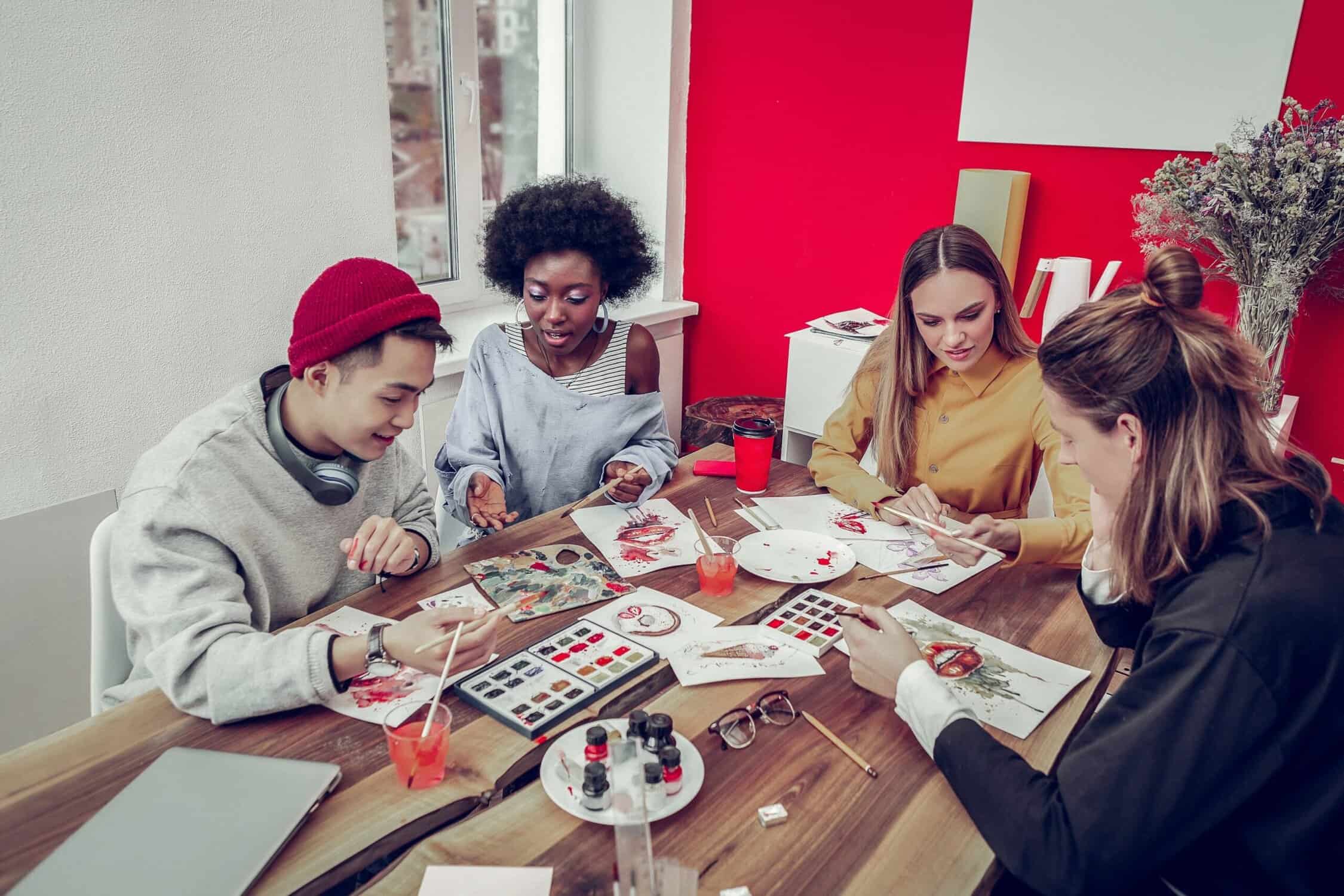
Addiction can make it difficult to communicate what is happening beneath the surface. Fear, shame, grief, anger, anxiety, and unresolved experiences may be difficult to put into words, even when someone genuinely wants help. That is why creative activities in addiction recovery can be so valuable. Art, writing, music, photography, crafts, and other forms of self-expression can give people healthy ways to process emotions, discover new interests, and reconnect with themselves while working toward lasting recovery. When combined with professional addiction treatment and mental health support, creativity can become an important part of a well-rounded recovery plan.
Why Self-Expression Matters in Addiction Recovery
Recovery involves much more than stopping substance use. It requires people to understand what contributed to their addiction and develop healthier ways to respond to stress, emotional pain, relationships, and everyday challenges.
For many people, talking about these experiences can be uncomfortable.
Creative expression provides another option.
Someone may not know how to explain their grief but may be able to express it through a painting. Another person may struggle to discuss anxiety but find that writing about their thoughts makes them easier to understand. Someone else may discover that playing music, taking photographs, or working with their hands provides a healthy way to slow down when emotions become overwhelming.
The creative process does not have to produce something impressive. Its value comes from giving thoughts and feelings a safe, constructive outlet.
How Creative Activities Can Support Recovery
Creative activities can serve several useful purposes during addiction treatment and long term recovery.
Creativity Encourages Emotional Expression
People in recovery often carry emotions that have been ignored or suppressed for years. Substance use may have become a way to avoid painful feelings rather than address them.
Creative work can encourage people to explore those emotions without requiring them to immediately explain everything verbally.
For example, a person could create an image representing what addiction felt like and another representing what they hope recovery will feel like. The difference between the two can provide a meaningful starting point for reflection and discussion with a counselor.
Creative Work Can Reduce Unhealthy Isolation
Addiction can gradually pull people away from family, friends, hobbies, work, and other sources of connection. Recovery requires rebuilding those connections.
Creative activities can help.
Joining an art group, attending a writing class, learning an instrument, or participating in another constructive activity can create opportunities to meet people and develop healthy routines. These experiences can replace some of the time and social patterns previously connected to substance use.
Over time, a creative hobby can become part of a person’s sober support system.
Creativity Can Build Confidence
Addiction can seriously affect self esteem. People may feel defined by past decisions or believe they have lost the ability to accomplish meaningful goals.
Creative projects provide opportunities to experience progress.
Learning a new skill takes patience. Completing a project requires persistence. Trying again after making a mistake builds resilience.
These small experiences can reinforce an important lesson: improvement is possible.
That lesson can carry into other areas of recovery.
Using Art to Process Difficult Experiences
Art can be particularly useful when someone is working through experiences that remain emotionally difficult.
Create a Visual Timeline of Recovery
A visual timeline can show different stages of a person’s experience with addiction and recovery.
Someone might use photographs, drawings, colors, or written words to represent:
- Life before addiction became a problem
- Difficult periods during active addiction
- The decision to seek help
- Early treatment
- Important recovery milestones
- Current goals
- Hopes for the future
The exercise can help people recognize that their story contains more than addiction. It also includes choices, relationships, accomplishments, lessons, and moments of change.
Use Journaling to Identify Patterns
Creative journaling does not have to follow traditional writing rules.
A person can combine short reflections with sketches, photographs, lists, or simple prompts.
For example:
What emotion has been strongest today?
What triggered that emotion?
How did I respond?
What could I do differently next time?
What am I grateful for today?
Over time, these entries may reveal patterns that can be discussed during counseling. They can also help individuals recognize progress that might otherwise be easy to overlook.
Creative Activities Can Support Mental Wellness
Addiction and mental health concerns often overlap. Anxiety, depression, trauma, chronic stress, and other mental health challenges can influence substance use and make recovery more complicated.
Addressing these concerns is an important part of effective treatment.
Creative activities can complement professional mental health care by giving individuals another way to slow down, reflect, and express themselves. They should not be viewed as a replacement for counseling, psychiatric care, medication when appropriate, or other evidence based treatment. Instead, they can work alongside those services.
For someone who has difficulty communicating emotions, creative expression may also provide useful material to bring into therapy.
A drawing, journal entry, song, or photograph can open a conversation that might otherwise be difficult to begin.
Practical Creative Activities to Try in Recovery
You do not need to consider yourself an artist to benefit from creativity. In fact, focusing too heavily on artistic ability can distract from what matters most.
The goal is expression, not perfection.
Try Free Drawing
Set a timer for 10 minutes and draw whatever comes to mind. Do not worry about creating a recognizable image. Pay attention to how you feel while drawing and what thoughts arise.
Make a Recovery Collage
Collect words and images that represent the life you want to create. Include relationships, health goals, hobbies, spirituality, career aspirations, travel, education, or other meaningful priorities.
Write a Letter to Your Future Self
Describe where you hope to be six months or one year from now. Talk about the habits you want to maintain, the relationships you want to strengthen, and the person you want to become.
Learn Something New
Try photography, pottery, woodworking, cooking, painting, music, gardening, or another hands-on activity. Learning a new skill can create structure and give you something positive to work toward.
Create During Difficult Moments
Instead of automatically turning to an unhealthy coping behavior when stress increases, consider spending a few minutes writing, sketching, playing music, or working on a creative project.
The activity will not necessarily solve the problem. However, it can provide enough space to pause before making a decision.
Making Creativity Part of a Personalized Treatment Plan
There is no single recovery strategy that works for everyone. A person may benefit from inpatient treatment, outpatient care, counseling, mental health services, peer support, family involvement, spiritual practices, or other approaches based on their individual circumstances.
Creative expression can fit into that broader plan.
For some people, structured treatment provides the stability needed to begin exploring creative interests. Others may discover creative hobbies during outpatient recovery and use them as part of their ongoing routine.
A personalized approach allows treatment professionals to consider the person’s history, mental health, goals, strengths, support system, and current needs.
That matters because creativity should support recovery rather than become another source of pressure.
Faith and Creativity in the Recovery Process
For people who draw strength from faith, creative expression can also become part of their spiritual life.
Writing prayers, creating artwork inspired by Scripture, listening to meaningful music, keeping a gratitude journal, or creating visual reminders of personal beliefs can provide opportunities for reflection.
Faith based practices can work alongside clinical treatment when they align with an individual’s values and preferences. This can help create a recovery experience that addresses emotional, physical, relational, and spiritual needs.
Turning Struggle Into a Healthier Form of Expression
Recovery does not erase everything a person has experienced. Instead, it creates an opportunity to respond to those experiences differently.
Creative activities can help make that change visible.
A person who once used substances to escape difficult emotions may gradually learn to express those emotions through writing, painting, music, photography, or another healthy outlet. Someone who lost interest in hobbies may discover a new passion. Someone who stopped believing in their abilities may experience the satisfaction of learning and completing something new.
These changes may seem small, but recovery is often built through small, consistent decisions.
Take the Next Step Toward Recovery
Finding healthier ways to express yourself can be an important part of rebuilding life after addiction. Creative activities can encourage emotional awareness, strengthen confidence, provide healthy coping strategies, and help people reconnect with interests that may have been lost during active addiction.
However, you do not have to rely on creativity alone. Professional addiction treatment and mental health care can provide the structure and support needed to address the deeper causes and consequences of substance use.
If addiction is affecting your health, relationships, emotions, or ability to enjoy life, consider reaching out for professional support. With individualized care and healthy outlets for self-expression, recovery can become more than simply leaving addiction behind. It can become an opportunity to discover new strengths, develop meaningful interests, and build a life that gives you genuine reasons to keep moving forward.