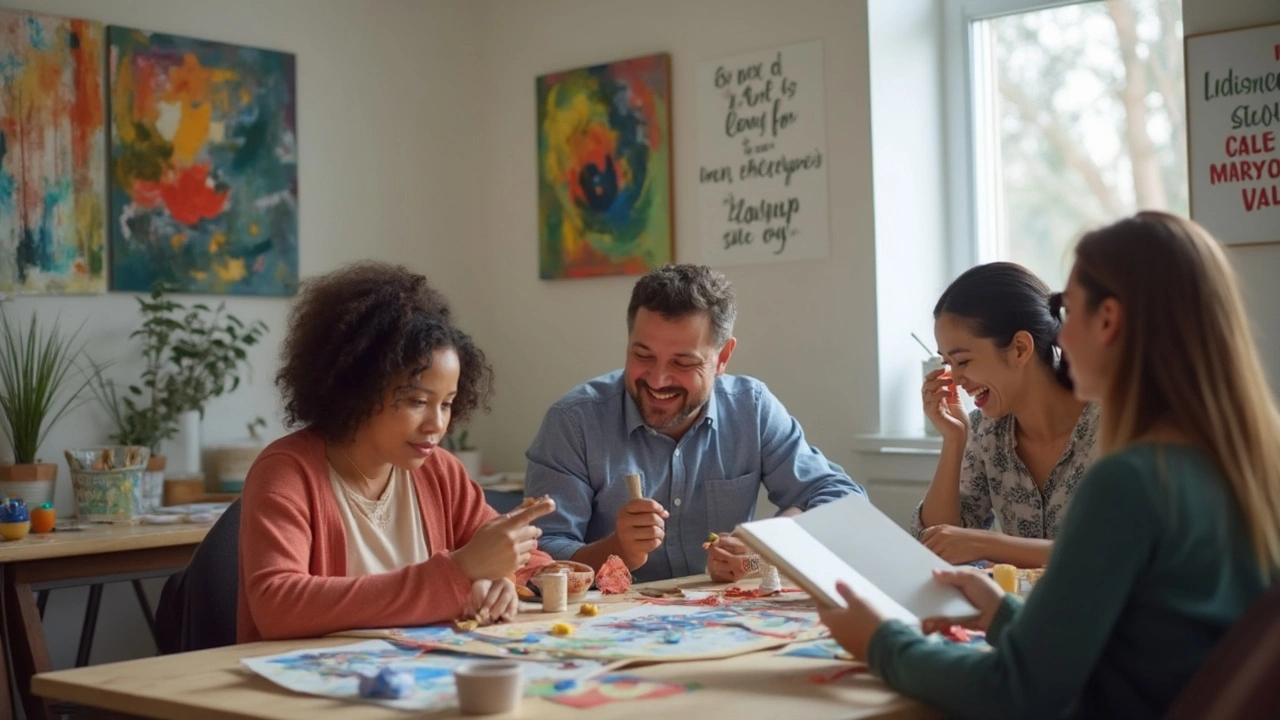
Addiction is rarely only about the substance or behavior itself. Beneath the cravings and harmful patterns, there may be grief, trauma, anxiety, shame, loneliness, anger, or emotional pain that has never had a healthy place to go. That is why meaningful addiction recovery must address the emotional side of healing as well as the physical and behavioral aspects of substance use. Art in addiction recovery can provide a powerful way to explore difficult emotions, build self-awareness, and develop healthier ways to cope. Whether someone paints, draws, writes, makes music, takes photographs, or simply experiments with creative activities, the process can open a door to feelings that may be difficult to express through conversation alone.
Art is not a replacement for professional addiction or mental health treatment. However, when it is incorporated appropriately into a broader recovery plan, creative expression can become an important part of holistic and individualized care.
Understanding the Emotional Side of Addiction
Substance use can become a way of managing emotions that feel overwhelming. A person may drink to quiet anxiety, use drugs to escape painful memories, or rely on addictive behaviors to avoid loneliness and emotional discomfort.
The temporary relief can make the cycle difficult to break.
Once recovery begins, those emotions may still be present. Without the substance or behavior that previously provided an escape, a person may suddenly have to face feelings that have been avoided for years.
This is one reason emotional healing deserves attention during addiction treatment.
Recovery Requires More Than Willpower
Stopping substance use is an important achievement, but maintaining recovery requires new coping skills. Individuals need practical ways to respond to stress, disappointment, conflict, cravings, and difficult memories.
Professional counseling can help people understand these experiences and develop healthier responses. Creative expression can complement that work by providing another outlet for emotional processing.
Instead of immediately pushing an uncomfortable feeling away, someone can learn to notice it, express it, and discuss it.
That change can be meaningful.
How Art Can Help With Emotional Expression
Words are valuable, but they are not always enough.
Someone may know they are hurting without knowing exactly how to explain the pain. A person dealing with trauma may struggle to describe what happened. Someone experiencing shame may avoid discussing certain experiences altogether.
Creative work offers another form of communication.
Art Does Not Have to Be Perfect
There is no requirement to create something beautiful.
A person can fill a page with colors, sketch simple shapes, write fragmented thoughts, photograph something meaningful, or create an abstract image. The purpose is not to produce artwork for an audience. The purpose is to give internal experiences an external form.
For someone in recovery, that distinction matters.
Creative expression is about exploration, not performance.
A therapist or treatment professional can also help an individual reflect on what comes up during the creative process. For example, a piece of artwork might lead to a conversation about grief, anger, family relationships, fear of relapse, or a desire to rebuild trust.
Art Can Support Self-Awareness
Addiction can make it difficult to recognize the connection between emotions, thoughts, and behavior.
For example, a person may believe that a relapse happened because they suddenly wanted to use. With deeper reflection, they may discover that the craving followed an argument, stressful workday, feeling of rejection, or period of isolation.
Understanding these patterns is an important part of relapse prevention.
Use a Creative Recovery Journal
A simple recovery journal can combine writing and visual expression.
At the end of each day, spend a few minutes answering questions such as:
- What emotion was strongest today?
- What situation triggered that emotion?
- How did I respond?
- What helped me cope?
- Did I experience a craving?
- What could I do differently next time?
- What am I grateful for today?
Add a drawing, photograph, color, or symbol that represents the day’s experience.
Over time, the journal can reveal patterns that might otherwise remain hidden. These observations can then become useful topics for counseling and treatment planning.
Creativity Can Provide Healthy Coping Strategies
Recovery involves learning what to do when difficult emotions appear.
A person cannot always control stress, conflict, disappointment, or unexpected changes. They can, however, develop healthier ways to respond.
Creative activities can become one option in a broader coping toolkit.
Create Before Reacting
When emotions become intense, try creating something before making an impulsive decision. Write down what you are feeling. Draw without judging the result. Play music. Take photographs. Work with clay. Write a short poem.
The goal is not to make the emotion disappear.
Instead, creating can provide enough space to pause and decide what to do next.
That pause can be especially valuable when someone is experiencing a craving. A few minutes of healthy distraction combined with emotional awareness may help create distance between the urge and the response. If cravings feel difficult to manage, professional support should remain a central part of the recovery plan.
Art and Mental Health Treatment Can Work Together
Addiction and mental health concerns often overlap. Anxiety, depression, trauma, grief, and chronic stress can affect both substance use and the ability to maintain recovery.
For this reason, comprehensive treatment should consider the whole person.
Creative Expression Can Open Therapeutic Conversations
Art may reveal emotions that someone has difficulty discussing directly.
A therapist might ask an individual to create something representing how they feel about recovery. The resulting image could become the beginning of a conversation about fear, hope, identity, family, or personal goals.
This approach does not mean every drawing has a hidden psychological meaning. Creative expression should not be treated as a test in which someone else decides what the artwork supposedly represents.
The individual is the person who gives the work meaning.
That respect is consistent with client-centered treatment.
Art Can Help Rebuild Identity After Addiction
Addiction can gradually become part of how a person defines themselves. They may begin thinking of themselves primarily through the lens of their substance use, past mistakes, or consequences.
Recovery offers an opportunity to develop a broader identity.
Creative activities can help.
Rediscover Interests and Strengths
Think about what you enjoyed before addiction became a dominant part of your life.
Maybe you liked photography, music, painting, woodworking, writing, cooking, design, or another creative activity. Returning to an old interest can reconnect you with a part of yourself that has been neglected.
You can also try something completely new.
Learning a creative skill requires patience. Mistakes are expected. Progress is often gradual. Those experiences can reinforce valuable recovery qualities such as persistence, flexibility, curiosity, and willingness to keep trying.
A Holistic Approach Recognizes the Whole Person
Addiction recovery is not a one-size-fits-all process. Some individuals need the structure of inpatient treatment, while others may benefit from outpatient care that allows them to maintain employment, family responsibilities, and other commitments.
Regardless of the treatment setting, personalization matters.
A holistic approach may consider physical health, emotional well-being, relationships, mental health, spirituality, personal values, and long-term goals. For individuals who find faith meaningful, creative activities can also provide opportunities for prayer, reflection, gratitude, forgiveness, or spiritual exploration.
The important point is that creativity should serve the individual’s recovery rather than become another expectation to meet.
Practical Ways to Bring Art Into Recovery
You can begin with simple activities and little equipment.
Try These Creative Exercises
Create an emotion map: Use colors, shapes, and words to represent how different emotions feel in your body and mind.
Make a recovery timeline: Draw or illustrate important moments in your recovery journey, including challenges, turning points, sources of support, and milestones.
Create a hope board: Collect images and words representing the life you want to build. Include relationships, health, faith, work, hobbies, and personal goals.
Write a letter to your future self: Describe the person you hope to become and the values you want to carry into the future.
Take mindful photographs: Photograph ordinary moments that represent peace, connection, or progress. Looking for these moments can encourage greater awareness of positive experiences.
None of these activities needs to produce something that anyone else sees.
Creativity Is One Tool in a Larger Recovery Process
Art can support emotional healing, but it should be part of a broader approach when someone is dealing with addiction or significant mental health concerns.
Professional addiction treatment can address substance use patterns, underlying challenges, relapse risks, and co-occurring concerns. Depending on individual circumstances, care may involve counseling, mental health treatment, inpatient services, outpatient support, family involvement, spiritual care, and other evidence-based approaches.
Creative expression can complement those services by helping people explore emotions and develop healthier ways to respond to them.
The best recovery plan is one that recognizes the person behind the diagnosis or addiction history.
Healing the Emotional Side of Addiction Takes Time
Emotional healing does not happen because someone creates one painting or fills one journal page. Recovery is a process of learning, practicing, reflecting, and trying again.
Some days will feel productive. Other days may feel frustrating or uncertain.
That does not mean recovery is failing.
It means healing is human.
Art can provide a place to slow down and acknowledge that reality. It can help people express what hurts, recognize what matters, and imagine what could come next. More importantly, it can remind individuals that addiction is only one part of their story.
If addiction or mental health challenges are affecting your life, you do not have to work through them alone. Professional support can provide the structure and guidance needed to address substance use while also working on the emotional and mental health concerns that may exist underneath it. Whether individualized inpatient or outpatient care is appropriate, reaching out is a meaningful first step.
Your emotions deserve attention, your experiences deserve to be heard, and your future deserves more than addiction. With the right support and healthy outlets for expression, creativity can become one of the tools that helps you move toward a healthier, more purposeful life.