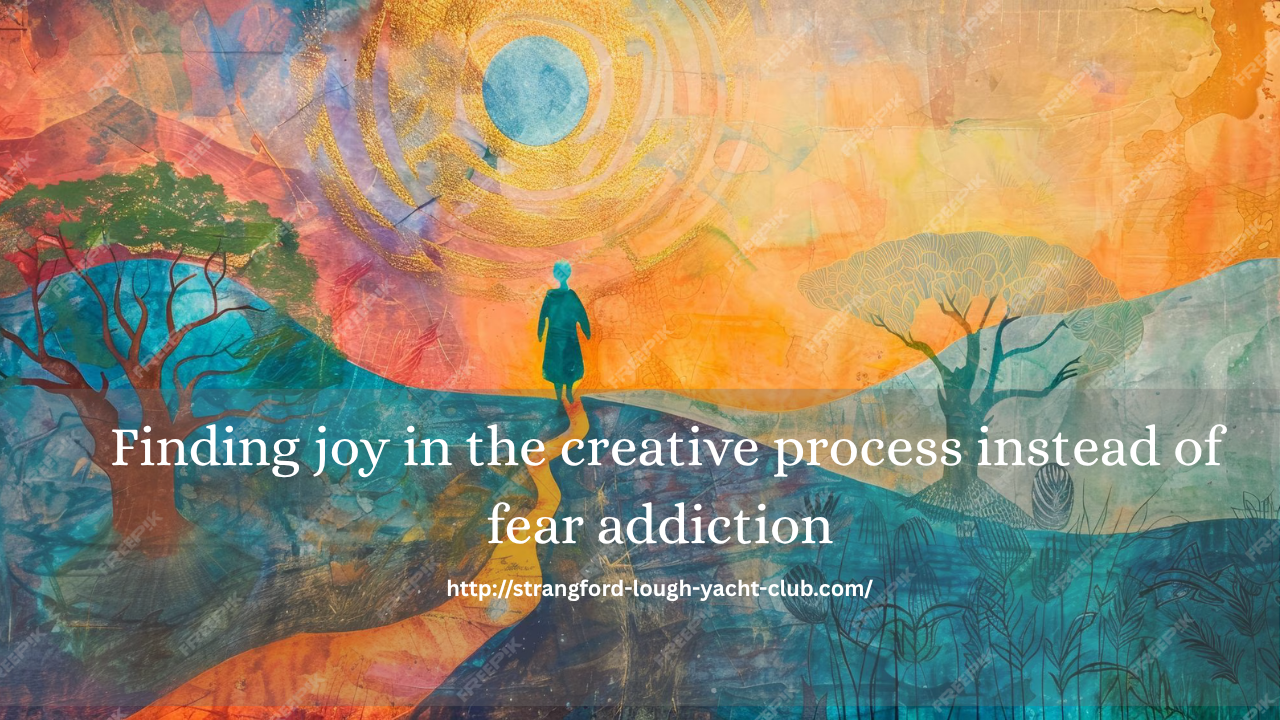
Addiction is often described as a prison—a cycle of pain, shame, and dependency that feels impossible to escape. For years, I lived in that cycle, losing myself piece by piece. But in my search for freedom, I found an unlikely savior: painting. With every brushstroke, I began to break free from addiction, transforming my pain into a visual journey of survival and healing.
Falling Into Addiction
My story with addiction didn’t begin with a single event; it was a gradual slide. Stress, trauma, and the pressure to perform built up over time, and I turned to substances as a way to cope. What started as a temporary escape became a daily ritual of self-destruction. Friends drifted away, my health declined, and my creativity—a part of me that once defined who I was—faded into the background.
I stopped creating art altogether. My canvases sat untouched, gathering dust. I told myself I was too busy, too tired, too broken to paint. In truth, I was afraid. Afraid to face myself. Afraid of what would come out if I tried to express what I was feeling.
Finding the Brush Again
Recovery began when I finally reached out for help. It wasn’t easy. Admitting I had a problem felt like tearing off a mask I had worn for years. In therapy, I was encouraged to reconnect with something I loved—something that could help me process emotions I had long buried. For me, that was painting.
At first, I resisted. I thought I had forgotten how to paint. But one day, with trembling hands, I picked up a brush and let the colors flow. I didn’t plan what I was painting. I just let the emotions guide me. The result was messy, chaotic, and raw—but it was real.
The Healing Power of Art
Painting became my daily ritual. Each canvas was a safe space where I could express my struggles without judgment. I painted my fears, my cravings, my guilt, and, slowly, my hope. Through art, I found a way to release emotions that words couldn’t capture. The canvas became my therapist, my journal, and my refuge all in one.
Over time, my paintings evolved. The dark, heavy strokes of my early recovery gave way to lighter tones and more deliberate forms. I began to experiment again, finding joy in the creative process instead of fear. Each new piece marked a step forward in my healing journey.
Sharing My Story
Today, painting remains a central part of my sobriety. I’ve shared my art in galleries, workshops, and recovery groups, hoping to inspire others who are struggling. My work tells the story of survival—not just surviving addiction, but reclaiming life, creativity, and self-worth.
Strokes of survival are more than just brushstrokes on canvas; they are acts of courage, moments of clarity, and symbols of resilience. Painting helped me break free from addiction, and in doing so, it helped me rediscover who I truly am.