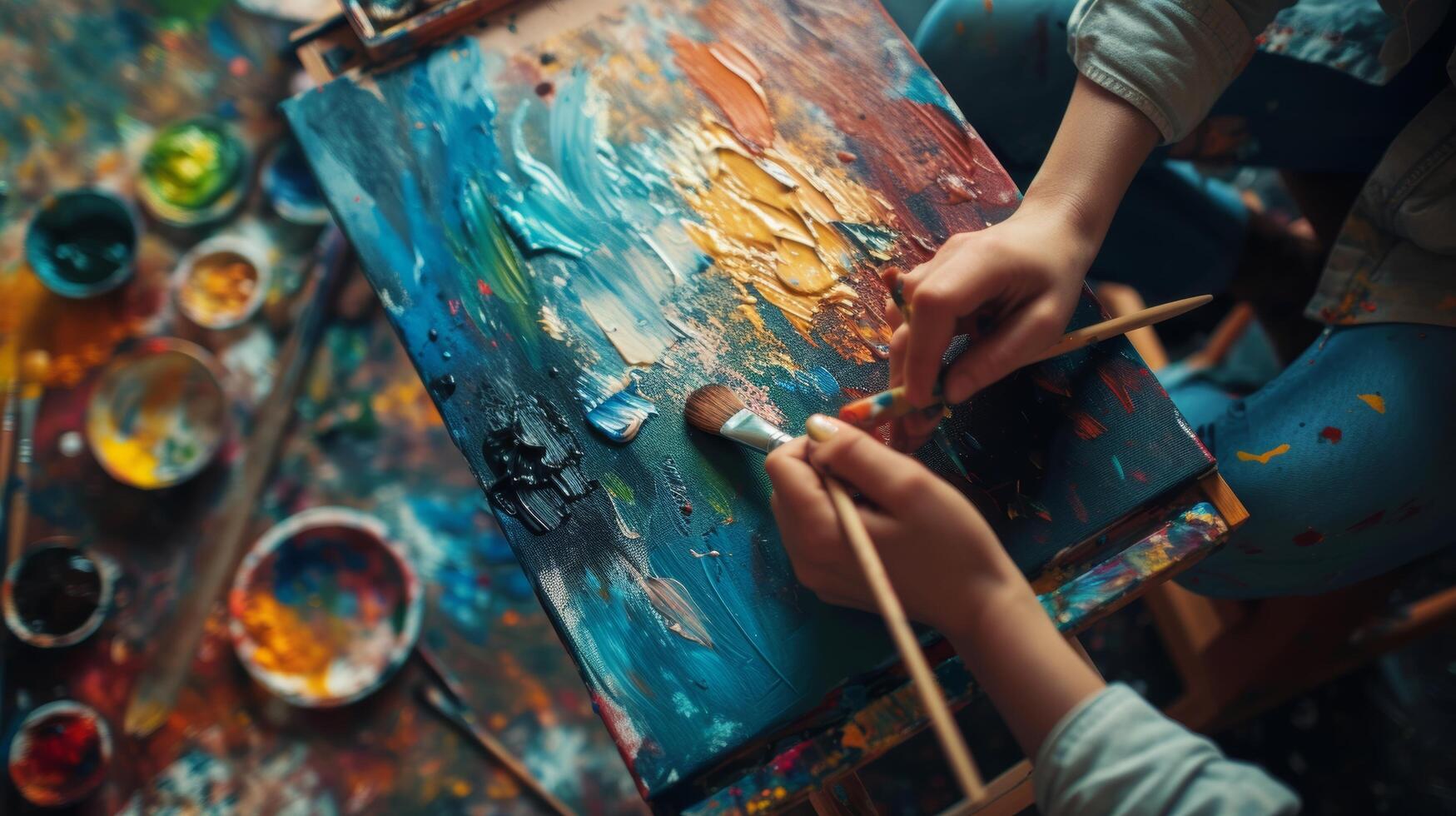
Recovery from addiction is about more than stopping substance use. It is also about rebuilding a relationship with yourself. After months or years of living around cravings, emotional distress, unhealthy coping patterns, or the consequences of addiction, many people discover that they have difficulty identifying what they feel, expressing what they need, or imagining a meaningful future. Art in addiction recovery can provide a practical and deeply personal way to begin reconnecting the mind, emotions, and sense of purpose.
Creative expression does not require artistic talent. A person does not need to know how to paint, draw, sculpt, write poetry, or take professional photographs. The value comes from the process of creating and exploring, not from producing something perfect. When combined with professional addiction treatment and mental health care, creative activities can become part of a holistic, individualized recovery plan that supports emotional growth, self-awareness, and long-term wellness.
Why Art Can Have a Place in Addiction Recovery
Addiction can affect nearly every area of a person’s life. It can change relationships, confidence, decision-making, emotional regulation, and the way someone understands their own identity. Traditional therapy provides an important space to work through these challenges, but talking is not always easy.
Sometimes emotions are complicated before they can be put into words.
Creative activities offer another form of communication. Drawing, painting, music, photography, journaling, and other artistic practices can help people explore experiences that may feel difficult to explain during a conversation.
Art Creates Space for Emotional Expression
Emotional suppression can become a powerful part of addictive behavior. Someone may use substances or unhealthy behaviors to avoid sadness, anger, fear, shame, loneliness, or unresolved trauma.
Creative expression can provide a healthier outlet.
For example, someone might use color to represent an emotion they cannot easily describe. Another person may create an image that represents their experience with addiction or what they hope their life will look like after treatment. The finished piece does not have to make sense to anyone else. What matters is the personal meaning behind the process.
With appropriate therapeutic guidance, these creative exercises can encourage greater emotional awareness and help individuals recognize patterns that may need further attention.
Reconnecting the Mind and Emotions
Long-term recovery requires more than recognizing unhealthy behavior. It also involves understanding the thoughts and emotions that influence that behavior.
Art can encourage this type of self-reflection.
Creative Activities Can Strengthen Self-Awareness
Consider creating a recovery journal that combines writing with simple sketches, colors, photographs, or collages. Each page could explore a different question:
- What am I feeling today?
- What triggered difficult emotions?
- What helped me cope without using?
- What do I want to change?
- What gives me hope?
- Who am I becoming in recovery?
These questions can help connect thoughts with emotions and actions.
Over time, patterns may become easier to recognize. A person might notice that loneliness frequently precedes cravings or that creative activity helps reduce stress. That awareness can become useful when developing relapse prevention strategies with a treatment professional.
Art Can Encourage Mindfulness
Creative work often requires attention to the present moment. Choosing a color, shaping clay, taking a photograph, or writing a few lines can temporarily shift attention away from racing thoughts and toward a specific activity.
This does not mean art replaces therapy, medication when clinically appropriate, or other evidence-based treatment. Instead, it can complement those approaches by giving people another healthy way to slow down, focus, and engage with the present.
Finding Purpose Beyond Addiction
One of the most important parts of lasting recovery is developing a life that feels worth protecting.
When addiction has dominated someone’s identity, rebuilding a sense of purpose can take time. Creative expression can help make that process visible.
Imagine the Life You Want to Build
Try creating a personal recovery vision board. Include images, words, photographs, or drawings representing the life you want to pursue. This might include healthy relationships, meaningful work, education, family, spirituality, physical wellness, travel, service, or personal growth.
The purpose is not to create an unrealistic picture of a perfect life. Instead, it is an opportunity to identify what matters.
Those values can then become practical recovery goals.
For someone whose artwork emphasizes family, recovery might involve rebuilding trust and becoming more present with loved ones. Someone who repeatedly creates images connected to nature might discover that time outdoors supports their emotional well-being. Another person may find that creativity itself is becoming a meaningful part of their new identity.
Art and Holistic Mental Health Treatment
Addiction rarely exists in isolation. Anxiety, depression, trauma, grief, stress, and other mental health concerns can influence substance use and recovery. That is why individualized treatment considers the whole person rather than focusing exclusively on addiction.
Creative expression can fit naturally within a holistic approach.
Different People Need Different Paths to Healing
There is no single recovery experience. One person may benefit from structured inpatient treatment and intensive therapeutic support. Another may be ready for outpatient care while continuing to manage work, family, or other responsibilities.
Likewise, not everyone connects with the same therapeutic activities.
Some individuals may respond to painting or drawing. Others may prefer music, writing, photography, movement, crafts, or another creative practice. The goal is to identify approaches that feel meaningful and support the person’s broader treatment plan.
For individuals whose recovery includes faith or spirituality, creative activities can also become a way to explore gratitude, hope, forgiveness, service, identity, and personal beliefs. When incorporated respectfully and according to the individual’s preferences, spirituality can be one part of a personalized approach to healing.
Practical Ways to Use Creativity During Recovery
You do not need a studio or expensive supplies to begin.
Start a Recovery Art Journal
Keep a notebook and spend five to ten minutes creating something each day. Draw an image, write a few sentences, experiment with colors, or combine words and pictures. Focus on honest expression rather than artistic quality.
Paint Without a Plan
Choose a few colors and begin painting without deciding what the final image should look like. Pay attention to how you feel before, during, and after the activity. This can become a simple mindfulness exercise.
Photograph Moments of Progress
Use photography to capture small things that represent recovery. It could be a sunrise, a favorite place, a supportive person, a healthy meal, or something that makes you feel peaceful. These images can serve as reminders that progress often happens through ordinary moments.
Create a Personal Symbol of Recovery
Design an image or object that represents strength, hope, freedom, faith, or a new beginning. Keep it somewhere visible as a reminder of the life you are working to build.
Creative Expression Works Best With Meaningful Support
Art can be powerful, but it should not be viewed as a standalone solution for addiction.
Lasting recovery often requires a combination of professional treatment, emotional support, healthy routines, coping skills, and continued care. Depending on individual needs, treatment may include counseling, mental health services, addiction recovery support, inpatient care, outpatient treatment, family involvement, spiritual support, and other therapeutic approaches.
The important question is not simply, “What treatment works?”
It is also, “What approach fits this person?”
Individualized care recognizes that every person’s history, challenges, strengths, values, and goals are different. Creative expression can be one of the tools used to help someone discover those strengths and reconnect with the parts of themselves that addiction may have pushed aside.
Your Recovery Story Is Still Being Written
A blank canvas can feel intimidating because it represents possibility. There is no finished picture yet. There is only the opportunity to begin.
Recovery can feel much the same way.
You may not know exactly who you will become, how relationships will change, or what your life will look like months from now. You do not need to have every answer before taking the next step. Recovery is built through choices, support, reflection, and consistent action.
Art can help make that process tangible. It can provide a safe outlet for emotions, encourage self-awareness, strengthen mindfulness, and help people visualize a future shaped by purpose rather than addiction.
Most importantly, you do not have to create that future alone.
If addiction or mental health challenges are affecting your life, reaching out for professional support can be an important first step. A compassionate, individualized treatment program can help you address the underlying challenges of addiction while developing healthier ways to cope, connect, and move forward. Your past does not have to define the picture of your future. There is still room on the canvas, and recovery gives you the opportunity to begin creating something new.