contributor

Healing Through Creativity: How Art Supports Emotional Growth in Recovery

Posted on by

Recovery from addiction is more than abstaining from substances. It is a journey of emotional, mental, and spiritual restoration. While therapy, counseling, and medical care provide essential guidance, creative expression offers a complementary path to healing. Art allows individuals to explore feelings, process trauma, and foster emotional growth in a safe and constructive way. By engaging with creativity, those in recovery can develop new coping skills, rebuild confidence, and strengthen their overall well-being.

How Art Enhances Emotional Healing

Expressing Emotions Safely

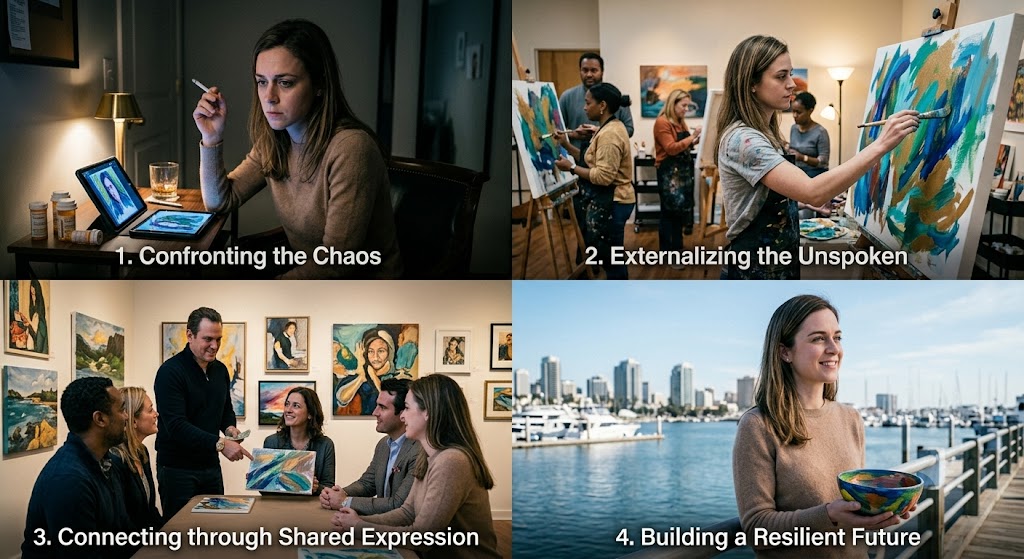
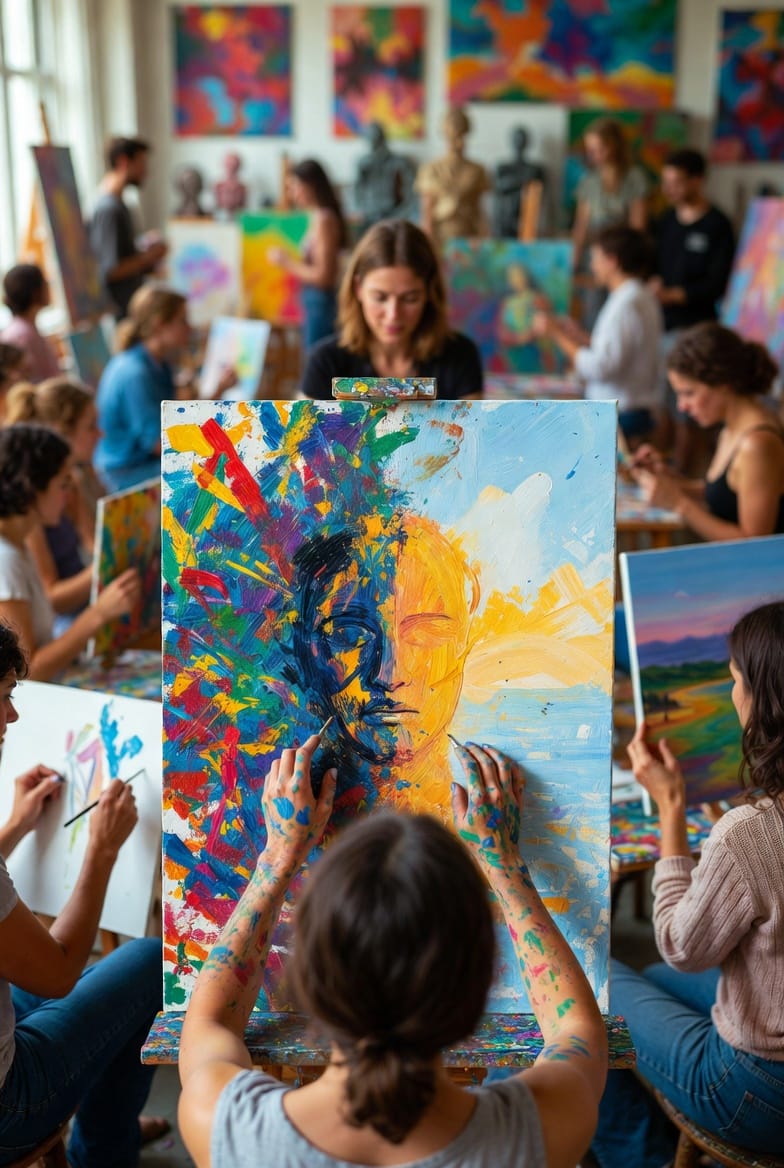
Addiction often masks underlying emotions such as anxiety, anger, guilt, or sadness. Art provides a safe outlet to express these feelings without fear of judgment. Activities such as painting, drawing, sculpture, music, or creative writing allow emotions to be externalized in a tangible form. This process not only promotes emotional release but also increases self-awareness, making it easier to manage difficult feelings and reduce the risk of relapse.

Encouraging Mindfulness and Focus

Engaging in creative practices requires concentration and attention to detail. Whether selecting colors for a painting or arranging notes in a song, the process encourages mindfulness and presence. This focus helps individuals stay grounded, reduces stress, and supports emotional regulation. In early recovery, when triggers and cravings can feel overwhelming, art offers a calming and restorative practice that complements traditional therapy.

Rebuilding Confidence and Self-Identity Through Art

Addiction can erode self-esteem and distort personal identity. Completing a creative project provides tangible evidence of accomplishment and reinforces a sense of capability. A painting, poem, or musical piece can remind individuals of their strengths and potential. Over time, this practice fosters resilience, self-confidence, and a renewed sense of personal identity beyond addiction.

Reflection and Insight

Art can serve as a mirror to one’s inner world. Reflecting on creative work allows individuals to recognize patterns, emotions, and personal growth areas. Sharing these creations with therapists or support groups can spark meaningful discussions and provide deeper insight, enhancing the emotional healing process and strengthening recovery.

Practical Ways to Incorporate Art Into Recovery

Establish a Regular Creative Practice

Even short, consistent sessions of drawing, journaling, or music composition can provide emotional release and reinforce coping skills. Setting aside time for creativity each day or week encourages structure and stability.

Focus on Expression, Not Perfection

The goal of art in recovery is exploration and emotional expression. Prioritizing process over product encourages self-compassion, reduces self-criticism, and fosters personal growth.

Experiment With Multiple Mediums

Trying different forms of creative expression, from visual arts to music to mixed media, helps individuals discover what resonates most. Variety keeps engagement high and allows for broader exploration of emotions.

Integrate Creativity With Therapy

Art can enhance traditional therapy by providing a nonverbal outlet for emotions and facilitating reflection. Sharing artistic work in therapy sessions or support groups promotes discussion, insight, and emotional processing.

Holistic and Faith-Based Approaches to Creative Healing

Programs at Strawdawg integrate art with individualized therapy, mental health treatment, and holistic care. Faith-based approaches may use creative expression as a way to explore spiritual values and purpose. This combination supports emotional, mental, and spiritual growth, offering a comprehensive path to lasting recovery.

Embrace Creativity as a Tool for Recovery

Art is more than a hobby—it is a tool for emotional growth, self-discovery, and resilience. By providing a safe outlet for emotions, enhancing mindfulness, and rebuilding confidence, creative expression supports every stage of recovery. Whether through painting, music, writing, or other forms of creativity, engaging in art can strengthen coping skills and foster lasting sobriety.

If you or a loved one are navigating recovery, consider incorporating creative practices into your treatment plan. Contact a compassionate, professional program today to discover how art can support emotional growth and help you build a fulfilling, balanced life.

Art as a Path to Resilience: Practical Ways Creativity Supports Lasting Sobriety

Posted on by

Recovery from addiction is a journey that challenges the mind, body, and spirit. Maintaining sobriety requires more than avoiding substances; it involves developing emotional resilience, coping strategies, and a strong sense of self. One powerful way to build resilience is through creative expression. Art provides a safe and constructive outlet for emotions, fosters self-discovery, and supports mental well-being. By incorporating art into recovery, individuals gain practical tools to navigate challenges and sustain lasting sobriety.

The Connection Between Creativity and Recovery

Expressing Emotions Safely

Addiction often masks underlying emotions such as grief, anxiety, or anger. Creative expression offers a way to process these feelings without judgment. Activities like painting, drawing, music, or writing allow individuals to externalize complex emotions in a tangible and controlled way. This emotional release helps reduce stress, improve self-awareness, and promote long-term mental health, all of which are essential for recovery.

Strengthening Mindfulness and Focus

Engaging in artistic activities requires concentration and presence. Focusing on creating art encourages mindfulness, which can reduce anxiety, improve mood, and support emotional regulation. In early recovery, when triggers and cravings can feel overwhelming, this mindful engagement provides a calming and restorative practice.

Building Resilience Through Creativity

Rebuilding Identity and Confidence

Addiction can erode self-esteem and distort personal identity. Creating art allows individuals to experience accomplishment and gain confidence in their abilities. Completing a painting, composing music, or writing a journal entry reinforces a sense of agency and personal growth. Over time, these experiences help rebuild self-worth and foster a stronger, more resilient identity.

Encouraging Reflection and Insight

Art can act as a mirror to the inner self. Reflecting on creative work encourages self-exploration and insight. Discussing art with therapists or support groups can reveal patterns, emotions, and personal goals, enhancing self-understanding and guiding recovery decisions. This reflective practice strengthens resilience by helping individuals recognize and respond to challenges in healthier ways.

Practical Ways to Incorporate Art Into Recovery

Create a Regular Practice

Consistency is key. Even short daily or weekly sessions of journaling, sketching, painting, or composing music can provide emotional release and reinforce coping skills. Establishing a creative routine supports structure and stability in recovery.

Focus on Expression Over Perfection

The value of art lies in the process, not the finished product. Encouraging self-expression without judgment allows individuals to explore emotions freely and develop personal insight, fostering resilience in the process.

Explore Multiple Mediums

Trying different forms of art helps discover what resonates most. From visual arts to music to mixed media, exploring various mediums encourages creativity, experimentation, and engagement, all of which support mental and emotional growth.

Integrate Creativity With Therapy

Creative work can complement traditional therapy. Sharing artistic creations in therapy sessions or peer groups promotes reflection, discussion, and emotional processing, making recovery more holistic and effective.

Holistic and Faith-Based Approaches

Programs like those at Strawdawg integrate art with individualized therapy, mental health care, and holistic practices. Faith-based approaches may use creative expression to explore spirituality, values, and personal purpose. Combining art with a comprehensive recovery plan supports emotional, mental, and spiritual resilience, providing a well-rounded path to long-term sobriety.

Harnessing Creativity for Lasting Sobriety

Art is a powerful tool for building resilience and supporting lasting recovery. Through creative expression, individuals can process emotions, rebuild self-esteem, and develop mindfulness and coping skills. Whether through painting, music, writing, or other creative mediums, art offers practical ways to strengthen mental and emotional health, helping clients navigate challenges and maintain sobriety over time.

If you or a loved one are navigating recovery, consider integrating creative practices into your healing journey. Reach out today to a compassionate, professional program to discover how art can support your growth, resilience, and long-term success in recovery.

From Canvas to Confidence: Rebuilding Your Life Through Art in Recovery

Posted on by

Recovery from addiction is a transformative journey that requires more than abstaining from substances. It involves healing emotional wounds, restoring mental well-being, and rediscovering a sense of purpose. One powerful way to support this journey is through creative expression. Art offers a safe, meaningful outlet to process emotions, build resilience, and reconnect with your authentic self. By engaging with creativity, individuals in recovery can turn challenges into opportunities for growth and regain confidence in their lives.

The Role of Art in Recovery

Processing Emotions Safely

Many people in recovery struggle to express emotions like grief, guilt, or frustration. Art provides a nonverbal means to explore these feelings. Painting, drawing, sculpture, or creative writing allows individuals to externalize and process complex emotions in a controlled and constructive environment. This kind of expression promotes emotional release and self-understanding, both essential for maintaining sobriety.

Reducing Stress and Enhancing Focus

Creating art requires concentration, which encourages mindfulness and presence. Engaging in artistic activities helps individuals stay grounded, alleviates anxiety, and reduces stress. In early recovery, when triggers and cravings can feel overwhelming, this focus provides a healthy way to manage emotions and maintain stability.

Rebuilding Self-Esteem and Identity Through Creativity

Addiction can erode self-confidence and leave people feeling disconnected from their sense of self. Completing a creative project, whether it is a painting, a poem, or a musical composition, offers tangible evidence of accomplishment. This tangible success fosters self-esteem and reinforces a sense of personal agency. Over time, creative expression helps individuals rebuild their identity, reconnect with passions, and define who they are beyond addiction.

Reflection and Personal Insight

Art can serve as a mirror to one’s inner thoughts and values. Reflecting on creative work allows individuals to gain insight into their emotions, patterns, and personal goals. Sharing art with a therapist or support group can deepen understanding, strengthen community connections, and enhance the overall recovery experience.

Practical Ways to Incorporate Art Into Recovery

Start with Small, Consistent Activities

Even brief, regular creative sessions, such as journaling, sketching, or composing music, can support emotional release and reinforce healthy routines.

Emphasize Expression Over Perfection

The goal of art in recovery is emotional exploration, not creating a masterpiece. Focusing on the process rather than the final product encourages self-compassion and personal growth.

Explore Multiple Mediums

Trying different forms of creativity—from visual arts to music to mixed media—helps individuals discover what resonates most and keeps engagement high.

Integrate Art With Therapy

Sharing creative work with therapists or peer groups enhances reflection, promotes discussion, and connects personal expression with recovery goals. This integration strengthens both emotional insight and accountability.

Holistic and Faith-Based Approaches to Creative Healing

Programs like those offered at Strawdawg combine art with individualized therapy, mental health support, and holistic care. Faith-based recovery options can incorporate creativity as a means of spiritual reflection, encouraging individuals to explore beliefs, values, and purpose. Art becomes a bridge for emotional, mental, and spiritual growth, supporting a comprehensive approach to healing.

Transform Your Recovery Through Creativity

Art is more than a creative outlet. It is a tool for emotional processing, identity rebuilding, and self-confidence. Engaging in creative expression provides practical support for every stage of recovery, helping individuals manage stress, explore feelings, and reconnect with their authentic selves. Whether through painting, writing, music, or mixed media, art offers a path from uncertainty to empowerment.

If you or a loved one are navigating recovery, consider integrating creative practices into your healing journey. Reach out to a compassionate, professional, and individualized recovery program today to discover how art can help rebuild your life and support lasting sobriety.

Beyond Therapy: How Creative Expression Strengthens Addiction Recovery

Posted on by

Recovery from addiction is a complex journey that extends beyond traditional therapy. While counseling, support groups, and medical care provide essential guidance, creative expression offers a complementary path to healing. Art, music, writing, and other forms of creativity can help individuals process emotions, manage stress, and rebuild a sense of identity. By integrating creative practices into recovery, people gain powerful tools to strengthen mental health, foster resilience, and maintain long-term sobriety.

The Role of Creative Expression in Recovery

Processing Emotions Safely

Addiction often suppresses or masks difficult emotions. Individuals in recovery may struggle to express grief, anger, shame, or anxiety. Creative activities provide a safe outlet for these feelings. Painting, sculpting, journaling, or composing music allows emotions to be externalized in a constructive way. This process supports emotional release and self-awareness, both of which are critical for preventing relapse.

Enhancing Mindfulness and Focus

Engaging in art or creative practice encourages focus and presence. Paying attention to brushstrokes, musical rhythms, or writing patterns helps individuals remain mindful, reducing stress and calming racing thoughts. This focus reinforces coping skills that are essential during early recovery, when triggers and cravings are most challenging.

Rebuilding Identity and Self-Esteem Through Creativity

Addiction often erodes self-confidence and personal identity. Completing a creative project offers tangible evidence of progress and accomplishment. Whether it is a painting, a poem, or a piece of music, this tangible creation reinforces a sense of personal agency and capability. Over time, creative expression helps individuals rediscover their strengths, values, and passions, supporting a healthier and more resilient self-image.

Reflection and Personal Insight

Creative work can act as a mirror to one’s inner world. Reflecting on artistic projects allows individuals to explore thoughts, values, and patterns in a safe and structured way. Sharing these creations with a counselor or support group can deepen insight and foster meaningful dialogue, enhancing the therapeutic process.

Practical Ways to Incorporate Creativity Into Recovery

Start Small and Consistently

Even brief daily or weekly creative sessions can provide emotional release and reinforce healthy routines. Journaling, sketching, or creating simple music pieces can make a meaningful difference over time.

Emphasize Expression Over Perfection

The goal of creative expression is self-discovery and emotional processing, not producing a perfect piece of art. Focusing on the process rather than the outcome encourages experimentation and reduces self-criticism.

Explore Multiple Mediums

Trying different forms of art—from visual arts and music to dance or digital creation—allows individuals to discover what resonates most with them. Variety encourages exploration, personal growth, and engagement.

Integrate Creativity With Therapy

Creative work can complement traditional therapy. Sharing artwork, music, or writing with a therapist or group provides opportunities for reflection and discussion, reinforcing the connection between self-expression and recovery goals.

Holistic and Faith-Based Approaches to Creative Healing

At Strawdawg, recovery programs combine creative practices with counseling, mental health treatment, and holistic care. Faith-based and spiritually oriented programs may incorporate creative expression as a means of exploring beliefs and values, fostering hope and purpose. By integrating art and creativity into individualized care plans, clients receive comprehensive support for emotional, mental, and spiritual healing.

Unlocking Recovery Through Creativity

Creative expression provides a powerful complement to traditional therapy. By offering a safe outlet for emotions, strengthening mindfulness, and rebuilding self-esteem, creativity supports every stage of the recovery journey. Whether through visual arts, music, writing, or other forms of expression, engaging in creative practices enhances resilience and empowers individuals to maintain lasting sobriety.

If you or a loved one are navigating recovery, consider incorporating creative expression into your treatment plan. Contact a compassionate, professional program today to explore how art and creativity can strengthen your healing and help you reclaim a fulfilling, balanced life.

Brushstrokes of Change: Using Art to Support Emotional and Mental Healing

Posted on by

Recovery from addiction is a journey of transformation that involves more than stopping substance use. It requires rebuilding emotional health, developing coping skills, and reconnecting with a sense of purpose. One powerful tool that supports this process is art. Creative expression offers a safe and meaningful way to explore emotions, process trauma, and strengthen mental wellness. By engaging in art, individuals in recovery can experience tangible growth and healing that complements traditional therapy and holistic care.

The Role of Art in Emotional and Mental Healing

Expressing Emotions Safely

Many people in recovery struggle to put their feelings into words. Art provides an outlet to express emotions such as grief, anger, or anxiety in a safe, nonverbal way. Painting, drawing, music, or writing allows emotions to be externalized and processed. This type of expression can reduce emotional tension, increase self-awareness, and support long-term mental health.

Building Mindfulness and Focus

Art encourages mindfulness by requiring attention to the present moment. Focusing on brushstrokes, color choices, or musical notes helps individuals stay grounded, reducing stress and preventing overwhelming thoughts. Mindful creative practice enhances emotional regulation, which is critical during early recovery when cravings and triggers are most challenging.

How Creativity Supports Identity and Self-Esteem

Addiction often erodes self-confidence and distorts personal identity. Engaging in art can help individuals rebuild a sense of self by providing visible evidence of accomplishment. Completing an artwork, composing music, or writing a journal entry fosters pride and reinforces a positive self-image. Over time, creative expression helps clients reconnect with their passions, values, and strengths.

Reflection and Personal Growth

Art can serve as a mirror to one’s inner world. Reflecting on creative work in therapy sessions or group discussions can reveal patterns, emotions, and insights that may otherwise remain hidden. This reflection supports personal growth, helping individuals understand themselves better and make healthier choices in recovery.

Practical Ways to Incorporate Art Into Recovery

Daily or Weekly Creative Practice

Even short, consistent sessions of drawing, painting, journaling, or music can reinforce coping skills and provide regular emotional release.

Focus on Expression, Not Perfection

The purpose of art in recovery is to express emotions and explore identity. There is no need for technical skill or aesthetic perfection. Emphasizing process over product reduces self-criticism and promotes freedom of expression.

Explore Different Mediums

Trying multiple forms of art, from painting to collage to music, allows clients to discover the mediums that resonate most with them. Variety encourages experimentation and personal growth.

Integrate Art With Therapy

Sharing artwork with therapists or support groups can deepen insights, encourage discussion, and reinforce the connection between creativity and emotional healing. Integrating art into therapy sessions enhances the overall recovery experience.

Integrating Art Into Holistic and Faith-Based Programs

Programs like those at Strawdawg combine art with counseling, mental health treatment, and holistic care to provide individualized support. Faith-based programs may also incorporate creative expression as a tool for spiritual reflection, helping clients explore beliefs and values as part of the recovery process. Art becomes more than a hobby; it becomes an intentional path to healing and self-discovery.

Transform Your Recovery Through Creativity

Art provides a unique and powerful way to support emotional and mental healing during recovery. By expressing emotions, cultivating mindfulness, and rebuilding identity, creative practices complement therapy and holistic care. Whether through painting, music, writing, or other mediums, art offers a tangible and meaningful way to grow, heal, and reclaim life after addiction.

If you or a loved one are navigating recovery, consider integrating creative expression into your treatment plan. Reach out today to a compassionate, professional, and individualized program to discover how art can support lasting healing and personal growth.

Healing Through Creativity: How Art Transforms the Recovery Journey

Posted on by

Recovery from addiction is a journey that goes beyond abstaining from substances. It is about restoring emotional balance, rebuilding self-identity, and developing the tools to lead a meaningful life. One powerful and often underutilized tool in this process is creative expression. Art allows individuals to explore emotions, process trauma, and cultivate resilience in ways that traditional therapies may not fully address. By engaging with creativity, people in recovery can transform their journey from one of struggle into a path of growth and self-discovery.

The Therapeutic Power of Art in Recovery

Expressing Emotions Safely

Addiction often suppresses or distorts emotional expression. Many individuals find it difficult to articulate feelings such as grief, anger, or shame. Art provides a safe and constructive outlet for these emotions. Painting, drawing, sculpture, or music allows feelings to take form, giving clients a way to express what may be too complex to say aloud. This process promotes emotional release, reduces stress, and supports long-term mental health.

Building Mindfulness and Focus

Engaging in creative activities encourages attention to the present moment. Focusing on brushstrokes, melodies, or written words can reduce anxiety and promote mindfulness. This is especially valuable in early recovery when individuals are learning to cope with triggers and cravings. Art creates a structured space for reflection, helping clients stay grounded while navigating the challenges of change.

Strengthening Identity and Self-Esteem Through Creativity

Addiction can erode self-confidence and personal identity. Completing an artistic project, whether large or small, offers tangible evidence of achievement and growth. This sense of accomplishment fosters self-esteem and encourages clients to explore new interests and abilities. Over time, creative expression helps individuals reconnect with their authentic selves and build a renewed sense of purpose.

Exploring Personal Values and Goals

Art can serve as a mirror to one’s inner world. Through creative work, clients can reflect on personal values, aspirations, and experiences. Discussing these creations in therapy or group settings enhances self-awareness and reinforces commitment to recovery goals. This reflective practice supports holistic healing by integrating emotional, psychological, and spiritual growth.

Practical Ways to Integrate Art Into Recovery

Start Small and Consistently

Simple daily or weekly creative exercises, such as journaling, sketching, or composing music, can establish a consistent habit of emotional exploration. Consistency strengthens coping skills and reinforces healthy routines.

Embrace Nonjudgmental Expression

The value of art in recovery lies in the process, not the final product. Encouraging clients to focus on expression rather than perfection helps reduce self-criticism and fosters a sense of freedom and exploration.

Combine Creativity With Therapy

Sharing creative work with counselors or support groups can deepen insights and facilitate meaningful conversations about emotions and experiences. This integration ensures that art becomes a purposeful component of the overall recovery plan.

Explore Multiple Mediums

Trying different forms of art—painting, music, writing, or mixed media—can help clients discover what resonates most with them. This flexibility supports individuality and personal growth, key elements of holistic and faith-based recovery programs.

Transforming Recovery Through Art

Art is more than a creative outlet. It is a tool for emotional healing, identity reconstruction, and resilience building. By incorporating creativity into the recovery journey, individuals can process trauma, reduce stress, and reconnect with their authentic selves. Whether in inpatient or outpatient care, structured therapy or personal practice, art offers a meaningful path toward lasting recovery.

If you or a loved one are seeking support on your recovery journey, consider integrating creative expression into your treatment plan. Contact a compassionate, holistic recovery program today to explore how art can help you heal, grow, and reclaim your life.

Rebuilding Your Identity with Art: How Creativity Can Help You Rediscover Yourself After Addiction

Posted on by

Addiction can take a profound toll on identity. Years of substance use often erode self-esteem, distort personal values, and create a sense of disconnection from one’s true self. Recovery is not just about abstaining from substances; it is about rebuilding who you are at your core. One powerful and often underutilized tool in this process is art. Creative expression allows individuals to explore emotions, reconnect with their strengths, and rediscover a sense of purpose, making it a vital component of holistic recovery.

The Impact of Addiction on Identity

Understanding Identity Loss

Addiction affects more than physical health. It can shape thought patterns, relationships, and self-perception. Many people in recovery report feeling “lost” or uncertain about who they are once they remove substances from their lives. Rebuilding identity is essential because a strong, healthy sense of self provides the foundation for long-term sobriety and emotional well-being.

Emotional Consequences

Alongside identity loss, addiction often brings feelings of shame, guilt, and fear. These emotions can prevent individuals from fully embracing recovery. Art offers a safe and constructive way to process these feelings, helping people face their past experiences without judgment and begin to reclaim their self-worth.

How Art Supports Identity Reconstruction

Expressing Inner Experiences

Art provides a nonverbal language to explore complex emotions. Through painting, drawing, music, writing, or mixed media, individuals can externalize feelings and experiences that are difficult to articulate. This process not only offers emotional relief but also fosters self-awareness, helping individuals understand who they are beyond their addiction.

Building Confidence and Accomplishment

Creating something tangible is empowering. Completing an art project, whether small or large, offers a sense of achievement and reinforces personal capability. This sense of accomplishment strengthens self-esteem and encourages individuals to explore new interests, reinforcing a positive, evolving identity.

Encouraging Reflection and Insight

Art can act as a mirror, reflecting thoughts, values, and emotions in a visual or auditory form. Reflecting on creative work with a therapist or support group can reveal patterns, strengths, and aspirations that may have been overlooked. This insight is a cornerstone for rebuilding a meaningful and authentic life.

Practical Ways to Use Art in Recovery

Journaling and Creative Writing

Writing allows for structured reflection. Journals or poetry can help clarify values, goals, and emotions, providing a roadmap for identity reconstruction.

Visual Arts

Painting, sketching, or sculpture offers a physical outlet for emotion and creativity. Visual arts encourage experimentation, self-expression, and mindfulness, helping individuals reconnect with their sense of play and curiosity.

Music and Sound Exploration

Music engages emotion and memory uniquely. Composing, performing, or listening intentionally can inspire reflection and support emotional regulation.

Collaborative Projects

Group art activities foster community and connection, helping individuals see themselves as part of a supportive network. Collaboration encourages empathy, communication, and social skills, all vital to a healthy sense of self.

Integrating Art Into Holistic Recovery Programs

Holistic and individualized programs, like those at Strawdawg, incorporate art alongside therapy, counseling, and faith-based support. Inpatient and outpatient settings can provide structured art therapy sessions, giving clients the space and guidance to explore their identity safely. These programs recognize that healing is not just physical, but emotional, psychological, and spiritual.

Rediscovering Yourself Through Creativity

Recovery is a journey of transformation, and rebuilding your identity is a critical step in long-term success. Art provides a pathway to explore emotions, reclaim personal strengths, and reconnect with your true self. Whether through visual arts, music, writing, or collaborative creative projects, engaging in art can empower you to define who you are beyond addiction.

If you or a loved one are navigating recovery, consider integrating creative practices into your healing journey. Reach out to a compassionate, holistic recovery program today to explore how professional guidance combined with art therapy can help you rediscover yourself and embrace a life of purpose and resilience.

Creative Healing: Practical Art Activities to Strengthen Resilience in Early Recovery

Posted on by

Early recovery from addiction is a critical time for building emotional resilience, establishing healthy habits, and finding new ways to cope with stress and triggers. While therapy, support groups, and medical care provide essential guidance, creative expression can be an equally powerful tool. Art offers a safe, nonverbal outlet to explore feelings, manage anxiety, and foster personal growth. By incorporating practical art activities into early recovery, individuals can strengthen resilience and lay a foundation for lasting healing.

The Role of Art in Early Recovery

Art is more than a creative outlet. It is a form of therapy that allows individuals to process complex emotions, confront trauma, and reconnect with their authentic selves. Addiction often masks underlying pain or emotional dysregulation. Creative activities help bring these issues to the surface in a safe and structured way, allowing individuals to face their challenges with clarity and self-compassion.

In addition to emotional expression, art supports mindfulness and focus. Engaging in painting, drawing, music, or other creative practices requires attention to the present moment, helping individuals regulate stress and avoid being overwhelmed by past experiences or future anxieties.

Practical Art Activities to Build Resilience

Journaling and Reflective Writing

Writing is one of the most accessible forms of creative expression. Journaling allows individuals to explore thoughts and emotions, track progress, and identify triggers or patterns. Reflection through writing promotes self-awareness, supports goal-setting, and strengthens coping strategies. In a structured recovery program, journaling can be paired with therapy discussions to deepen understanding and insight.

Painting and Drawing

Visual art provides a tangible outlet for emotions that may be difficult to verbalize. Experimenting with colors, shapes, and textures allows individuals to externalize feelings like fear, sadness, or frustration. Over time, completing a painting or drawing can build confidence and a sense of accomplishment, reinforcing the idea that positive growth is possible even in early recovery.

Music and Sound Therapy

Music engages the brain in unique ways, stimulating emotion and memory while offering a calming effect. Creating music, learning an instrument, or even curating playlists for emotional regulation can help individuals process experiences and relieve stress. Group music sessions can also foster connection and community, which are vital components of recovery.

Collage and Mixed Media Projects

Collage work and mixed media art provide flexibility for self-expression. Using images, textures, and symbols allows individuals to explore identity, values, and personal goals. These projects can be particularly empowering because they encourage problem-solving and creativity while offering a visual representation of growth and transformation.

Mindful Art Practices

Activities like mandala coloring, pattern creation, or nature-inspired artwork promote mindfulness and relaxation. These exercises help individuals stay grounded, reduce anxiety, and build emotional resilience. Practicing mindful art regularly reinforces coping skills that can be applied in everyday life.

Integrating Art Into Holistic Recovery Programs

Holistic recovery programs, like those offered at Strawdawg, combine art activities with counseling, group therapy, and faith-based or spiritual guidance. Individualized care ensures that creative exercises are tailored to each person’s needs, abilities, and comfort level. Whether in inpatient or outpatient settings, incorporating art into recovery routines provides a safe and meaningful way to explore emotions, reinforce coping strategies, and strengthen resilience.

Conclusion: Using Creativity to Empower Your Recovery

Art offers practical tools to support early recovery, providing both emotional release and skill-building opportunities. By engaging in journaling, painting, music, collage, or mindful art practices, individuals can strengthen resilience, improve mental health, and reconnect with their sense of purpose. Creative healing complements therapy, medical care, and holistic approaches, helping people navigate the challenges of early recovery with confidence and self-compassion.

If you or a loved one are beginning your recovery journey, consider integrating creative practices alongside professional support. Reaching out to a compassionate, individualized program can provide the guidance, structure, and encouragement needed to transform early recovery into a lasting, fulfilling path toward healing.

Beyond Words: Why Art Therapy Helps You Navigate Trauma and Mental Health in Recovery

Posted on by

Healing from addiction often requires addressing experiences and emotions that go far deeper than substance use alone. Trauma, anxiety, depression, and unresolved emotional pain frequently sit beneath the surface, influencing behavior and thought patterns. While traditional therapy plays a vital role in recovery, many individuals struggle to fully express what they are feeling. This is where art therapy becomes a powerful and transformative tool. By moving beyond words, creative expression helps individuals navigate trauma, improve mental health, and strengthen long-term recovery.

Understanding Trauma and Mental Health in Addiction Recovery

Addiction and mental health challenges are closely connected. Many people entering recovery carry trauma from childhood, relationships, loss, or other life experiences. These experiences may be difficult to verbalize, especially early in recovery when emotions can feel overwhelming or confusing.

Art therapy provides a safe and supportive way to explore these internal experiences without pressure to explain everything verbally. This approach aligns with holistic and individualized care models that recognize healing as a deeply personal process.

How Art Therapy Works in Recovery

A Safe Outlet for Emotional Expression

Art therapy allows individuals to express emotions that may feel too intense or complicated to talk about. Through painting, drawing, writing, music, or other creative forms, feelings can be released in a controlled and healthy way. This process reduces emotional buildup that often leads to relapse or emotional shutdown.

For individuals with trauma histories, art offers a sense of safety. The focus remains on expression rather than explanation, giving clients control over how much they share and when they share it.

Supporting Emotional Regulation

Recovery requires learning how to manage emotions without substances. Art therapy supports emotional regulation by engaging the brain in calming and focused activities. Creating art encourages mindfulness, helping individuals stay present rather than overwhelmed by past experiences or future fears.

Over time, these skills translate into daily life, improving coping abilities and emotional stability.

The Mental Health Benefits of Art Therapy

Reducing Anxiety and Depression

Creative expression has been shown to reduce symptoms of anxiety and depression. Art therapy activates areas of the brain associated with relaxation and reward, helping individuals experience moments of peace and accomplishment. For those receiving mental health treatment alongside addiction recovery, this can significantly improve overall well-being.

Rebuilding Self-Confidence and Identity

Addiction often damages self-worth and personal identity. Art therapy helps individuals reconnect with their strengths and creativity. Completing a piece of art builds confidence and reinforces a sense of purpose. Over time, clients begin to see themselves as capable and valuable, not defined by their past struggles.

Integrating Art Therapy Into Holistic Recovery Programs

Individualized Care in Inpatient and Outpatient Settings

Art therapy fits naturally into both inpatient and outpatient treatment programs. In structured environments, it complements individual counseling, group therapy, and mental health services. In outpatient care, it provides ongoing emotional support as individuals transition back into daily life.

Because recovery is not one-size-fits-all, art therapy can be adapted to meet each person’s needs, preferences, and comfort level.

Faith-Based Healing and Creative Reflection

For those engaged in faith-based recovery, art therapy can also support spiritual growth. Creative activities may include reflective journaling, symbolic artwork, or music that aligns with personal beliefs. This approach helps individuals explore meaning, forgiveness, and hope as part of their healing journey.

Practical Ways to Use Art Therapy in Recovery

Start Without Expectations

You do not need artistic skill to benefit from art therapy. The value comes from expression, not appearance. Allow yourself to create freely without judgment.

Make Creativity a Routine

Regular creative practice strengthens emotional awareness and stress management. Even short sessions can make a meaningful difference.

Reflect With Support

Discussing artwork with a therapist or counselor can reveal insights that deepen healing. This reflection connects creative expression with therapeutic goals.

Healing Happens Beyond Words

Recovery is about more than abstaining from substances. It is about healing trauma, strengthening mental health, and rediscovering who you are. Art therapy offers a powerful path for those who struggle to express pain through words alone. By providing a safe, calming, and meaningful outlet, creative expression supports lasting emotional healing and personal growth.

If you or a loved one are seeking compassionate, individualized addiction recovery and mental health care, consider a program that embraces holistic approaches like art therapy. Reaching out for support can be the first step toward healing that goes beyond words and leads to lasting recovery.

From Pain to Purpose: Real Ways Art Can Empower Your Recovery Journey

Posted on by

Recovering from addiction is not just about stopping harmful behaviors. It is a journey of healing the mind, body, and spirit, and rediscovering a sense of self beyond substance use. One powerful and often overlooked tool in this process is art. Creative expression allows individuals to process emotions, explore identity, and build resilience in ways that traditional therapy alone may not achieve. From painting and music to writing and sculpture, art can transform pain into purpose, empowering your recovery journey.

How Art Supports Emotional Healing

Expressing What Words Cannot

Many people in recovery struggle to articulate complex emotions such as grief, shame, or anger. Art provides a safe and nonjudgmental outlet for these feelings. By channeling emotions into creative work, individuals can externalize internal struggles, gaining clarity and relief. Activities like painting, drawing, or journaling allow emotions to take form, making them easier to confront and understand.

Reducing Stress and Anxiety

Engaging in creative processes promotes mindfulness and focus, helping individuals stay present and reduce stress. Research in art therapy has shown that focusing on a creative task can lower anxiety, improve mood, and even support healthier sleep patterns. For those navigating recovery, these benefits provide crucial coping strategies against triggers and cravings.

Rebuilding Identity and Self-Esteem Through Art

Addiction often erodes self-esteem and personal identity. Creating art offers tangible evidence of growth and achievement, fostering confidence and self-worth. Completing a piece, whether it is a painting, poem, or musical composition, reinforces a sense of accomplishment. Over time, these creative practices help individuals reconnect with their passions and discover strengths they may have forgotten.

Integrating Art Into Recovery Programs

Personalized Approaches

Holistic recovery programs, like those offered at Strawdawg, recognize that each person’s journey is unique. Art can be integrated into inpatient or outpatient care, combining individual and group therapy with creative expression. These sessions may include structured art therapy exercises or more open-ended projects, allowing clients to explore emotions and build skills at their own pace.

Faith-Based and Spiritual Exploration

For clients in faith-based programs, art can also serve as a vehicle for spiritual reflection. Activities such as spiritual journaling, meditative drawing, or music composition can help individuals connect with their beliefs, values, and purpose, further reinforcing their commitment to recovery.

Practical Ways to Use Art in Your Recovery Journey

  1. Set Aside Time Daily or Weekly: Regular practice reinforces positive habits and emotional regulation.
  2. Explore Different Mediums: Experiment with painting, sculpture, music, or writing to find what resonates most.
  3. Focus on Expression, Not Perfection: The goal is emotional release and self-discovery, not creating a masterpiece.
  4. Share Your Work When Comfortable: Discussing your art with a therapist or support group can deepen insight and connection.
  5. Reflect on Your Progress: Revisiting old pieces can show how far you have come and reinforce resilience.

Turning Pain Into Purpose

Art has the power to transform recovery from a process of struggle into a journey of self-discovery and empowerment. It provides a unique and meaningful way to process emotions, rebuild identity, and cultivate resilience. Whether through structured therapy or personal creative practice, incorporating art into your recovery journey can enhance every aspect of healing.

If you or a loved one are navigating addiction, consider exploring creative expression as part of a holistic approach to recovery. Reach out today to learn how professional, compassionate support combined with art can guide you from pain to purpose and toward lasting recovery.

1 2 3 4 6