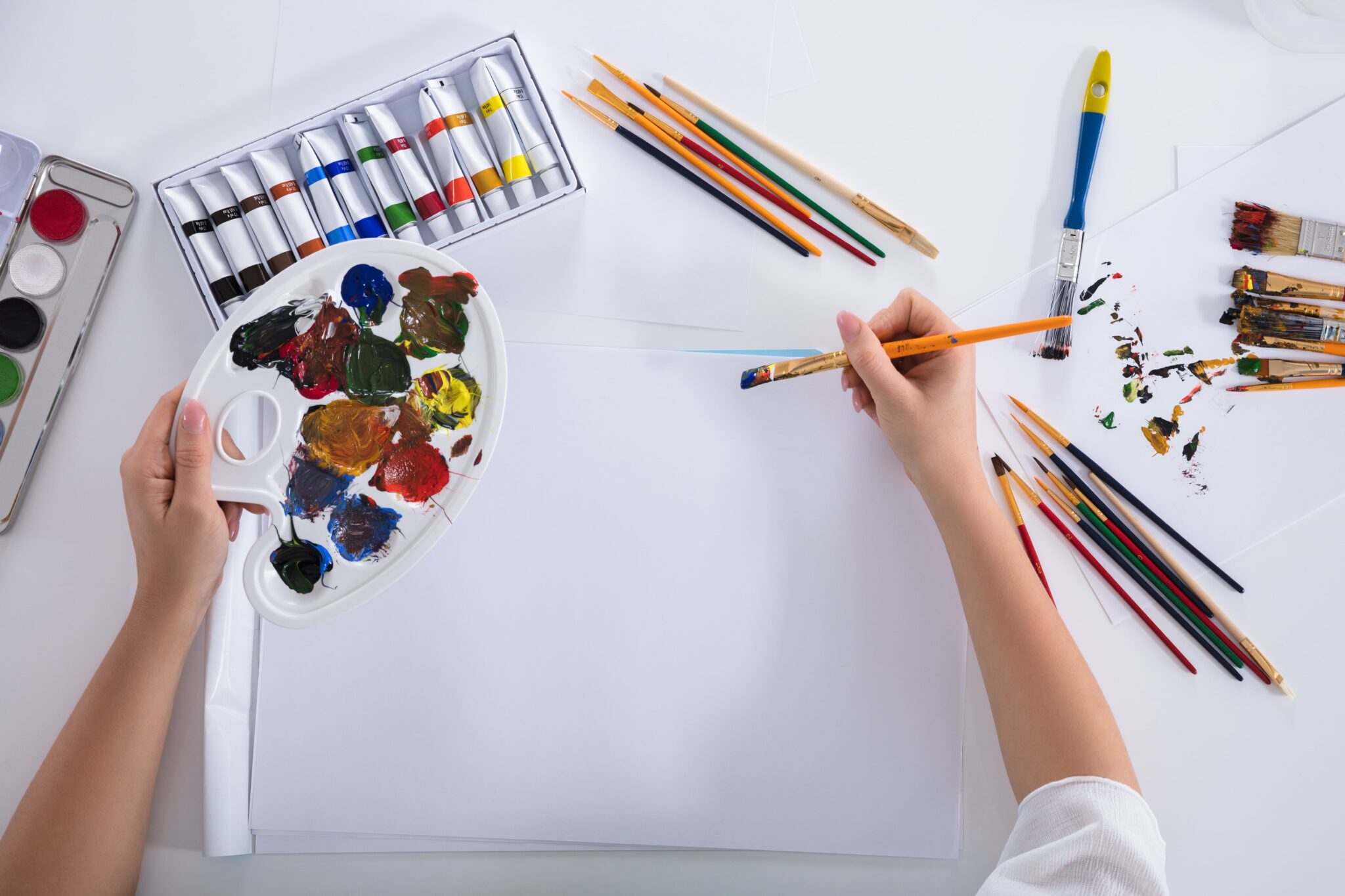
Addiction recovery is not only about breaking free from substances. It is about gaining clarity, understanding emotions, and rebuilding a meaningful life. For many individuals, this process can feel overwhelming, especially when words are not enough to express what they are going through. This is where art becomes a powerful tool. Creative expression offers a pathway to clarity by helping individuals process emotions, reduce stress, and reconnect with their sense of purpose. When integrated into a comprehensive recovery program, art can play a meaningful role in supporting long-term healing.
Why Art Matters in Addiction Recovery
Moving Beyond Words
Many individuals entering recovery struggle to articulate their thoughts and emotions. Trauma, shame, and anxiety can be difficult to express through conversation alone. Art provides an alternative form of communication. Through painting, drawing, music, or writing, individuals can express what feels overwhelming or unclear. This process allows emotions to surface in a safe and constructive way.
Creating Space for Emotional Release
Unprocessed emotions are often at the root of addictive behaviors. Creative expression offers a healthy outlet to release these emotions. Whether it is through bold colors on a canvas or reflective journaling, art helps individuals externalize what they are feeling. As a result, they can begin to understand and manage those emotions more effectively.
How Art Brings Clarity to the Recovery Journey
Strengthening Self-Awareness
Art encourages reflection. When individuals create something, they often gain insight into their thoughts, patterns, and emotional triggers. This increased self-awareness is essential in recovery. It allows individuals to recognize behaviors, identify challenges, and make more informed choices moving forward.
Supporting Mental Health
Creative activities promote relaxation and reduce stress. Engaging in art can lower anxiety, improve mood, and support emotional regulation. For individuals receiving mental health treatment alongside addiction recovery, these benefits are especially valuable. Art becomes a practical tool for managing symptoms and maintaining balance.
Encouraging Mindfulness
Art naturally promotes mindfulness by focusing attention on the present moment. Whether mixing paint or writing a poem, the act of creating helps quiet the mind. This sense of presence reduces overwhelm and strengthens the ability to cope with cravings and triggers.
Practical Ways to Use Art in Recovery
Start with Simple Creative Practices
You do not need to be an artist to benefit from creative expression. Simple activities like sketching, journaling, or coloring can provide meaningful emotional release. The goal is not perfection, but honest expression.
Explore Different Forms of Art
Each person connects with creativity in a different way. Some may find comfort in painting, while others may prefer music, photography, or writing. Exploring different forms helps individuals discover what feels most natural and supportive.
Create a Consistent Routine
Incorporating art into a daily or weekly routine builds structure and reinforces healthy habits. Consistency helps individuals develop reliable coping strategies that can be used during difficult moments.
Combine Art with Therapy
Art becomes even more effective when integrated into professional treatment. Sharing creative work with a therapist or group can lead to deeper insights and meaningful conversations. This connection strengthens both emotional healing and personal growth.
The Role of Holistic and Individualized Care
At Strawdawg, recovery is approached through a holistic and individualized lens. Art is not used in isolation but as part of a broader treatment plan that includes counseling, mental health support, and, when appropriate, faith-based guidance. Whether in inpatient or outpatient care, creative expression can be tailored to meet each individual’s needs.
This personalized approach ensures that art supports not only emotional healing but also spiritual and psychological growth. By addressing the whole person, recovery becomes more sustainable and meaningful.
Conclusion: Finding Clarity Through Creativity
Recovery is a journey of rediscovery. It requires patience, support, and the willingness to explore new ways of healing. Art offers a unique path to clarity by helping individuals process emotions, understand themselves, and build resilience. Through creative expression, what once felt overwhelming can begin to make sense.
If you or a loved one are seeking a compassionate and personalized approach to addiction recovery, consider a program that embraces creativity as part of the healing process. Reaching out for help is the first step toward clarity, growth, and lasting recovery.