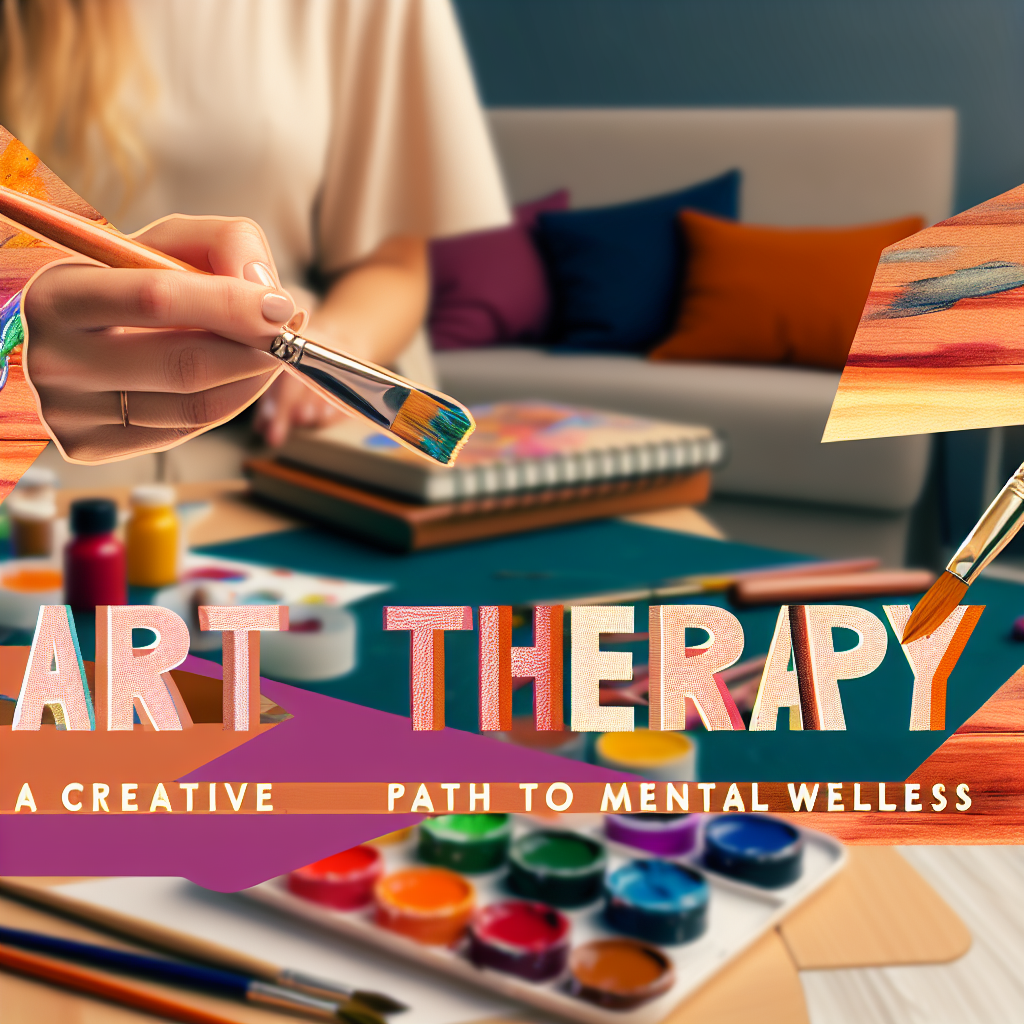
Recovery from addiction is not only about stopping substance use. It is about rebuilding emotional stability, restoring mental health, and developing healthy ways to cope with life’s challenges. For many individuals, this process requires more than traditional talk therapy alone. Creative expression offers a powerful and practical pathway to healing. Artistic practices such as painting, writing, music, and other forms of expression can support emotional regulation, reduce stress, and strengthen mental health throughout recovery.
At Strawdawg, recovery is understood as a deeply personal journey. With individualized care, inpatient and outpatient support, and holistic approaches that may include faith-based guidance, creative healing fits naturally into a comprehensive treatment model designed to support the whole person.
The Connection Between Creativity and Mental Health in Recovery
A Safe Outlet for Emotional Expression
Many individuals in recovery struggle to express emotions such as grief, anxiety, anger, or shame. These feelings often remain unspoken, yet they continue to influence behavior and mental health. Artistic practices provide a safe and constructive outlet for expression.
Through painting, drawing, journaling, or music, individuals can communicate emotions that are difficult to verbalize. This process reduces emotional pressure and creates space for healing. Instead of suppressing feelings, creativity allows them to be acknowledged and processed in a healthy way.
Supporting Emotional Regulation
Mental health recovery often involves learning how to manage intense emotions without turning to substances. Creative activities naturally support emotional regulation. The act of focusing on color, rhythm, or written words helps calm the nervous system and reduce stress.
Over time, these practices build coping skills that extend beyond creative sessions. Individuals begin to respond to emotional triggers with greater awareness and stability.
How Artistic Practices Strengthen Mental Health
Reducing Anxiety and Stress
Engaging in creative expression has been shown to lower stress levels and promote relaxation. Whether sketching quietly or playing music, the mind shifts away from worry and into a more grounded state. This break from mental overload is especially important in early recovery when anxiety can feel heightened.
Improving Self-Awareness
Art encourages reflection. When individuals create something, they often reveal thoughts and emotions that were previously unclear. This increased self-awareness is essential for mental health improvement. It helps individuals recognize patterns, understand triggers, and make healthier choices moving forward.
Rebuilding Confidence and Identity
Addiction often damages self-esteem and distorts personal identity. Creative expression helps rebuild both. Completing an artistic piece provides a sense of accomplishment and pride. Over time, individuals begin to reconnect with strengths, interests, and values that may have been lost during addiction.
Practical Ways to Use Creativity in Recovery
Start with Simple Activities
Art does not need to be complex or technical. Simple practices such as journaling, coloring, or sketching can be powerful tools for emotional expression and mental clarity. The goal is consistency, not perfection.
Explore Different Creative Outlets
Every individual connects differently with creativity. Some may prefer visual art, while others may find meaning in music, poetry, or photography. Exploring different outlets allows individuals to discover what feels most supportive for their mental health.
Create a Routine for Expression
Incorporating creativity into a regular routine helps reinforce stability in recovery. Even a few minutes a day can provide emotional relief and improve mental clarity over time.
Combine Creativity with Professional Care
Art becomes even more effective when integrated into therapy or recovery programs. Discussing creative work with a counselor or support group can deepen insight and encourage emotional processing. This combination strengthens both mental health treatment and personal growth.
Holistic Healing Through Individualized Care
At Strawdawg, recovery is not one-size-fits-all. Each individual receives care tailored to their needs, including mental health treatment, addiction recovery services, and holistic support. Creative practices can be woven into this care in meaningful ways, supporting emotional, mental, and spiritual healing.
Whether in inpatient or outpatient settings, artistic expression offers flexibility and accessibility. It meets individuals where they are and allows healing to unfold at a personal pace.
Conclusion: Creativity as a Path to Mental Wellness
Art is more than a form of expression. It is a tool for healing, growth, and transformation. By engaging in creative practices, individuals in recovery can reduce stress, improve emotional regulation, and rebuild a stronger sense of self. These benefits make creativity a valuable support for mental health throughout the recovery journey.
If you or someone you love is seeking compassionate and individualized addiction recovery and mental health care, consider a program that embraces holistic healing. Reaching out is the first step toward stability, clarity, and lasting wellness.